
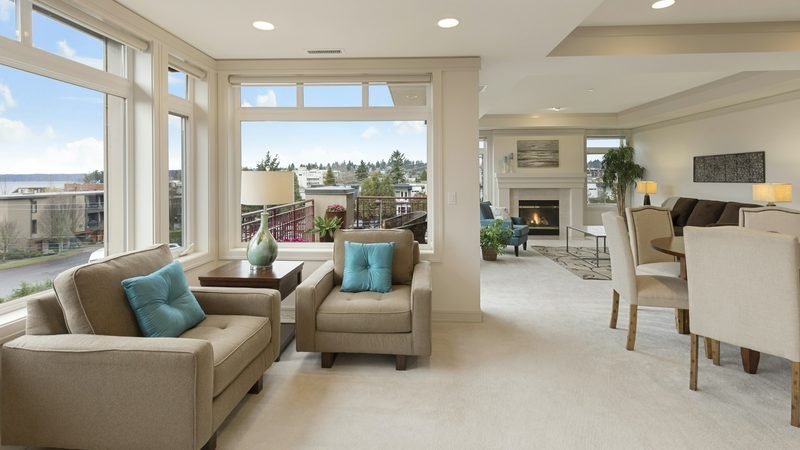
A west-facing living room that bakes every afternoon, a bedroom that never cools down at night, a home office over the garage, or a rental where the lease (or the window style) rules out a window unit—those are the classic reasons to shop for the best portable air conditioner. A good portable AC rolls into place, vents hot air out through a window kit, and cools one room without any permanent installation. The catch is that the category is full of confusing numbers: a box can say “14,000 BTU” in big type and still cool far less than you expect, and single-hose and dual-hose designs behave very differently in a heat wave.
This guide is a research roundup, not a hands-on lab test. We compared manufacturer specs, manuals, and spec sheets, recent 2026 coverage from independent review sites, and common owner feedback themes to pick one strong model for each kind of room: the Midea Duo MAP14S1TBL as the best overall inverter pick, its sibling Midea Duo MAP14HS1TBL when you also want heat, the BLACK+DECKER BPACT12WT for app and voice control, the Frigidaire FHPW122AC1 as a value 12,000 BTU pick, and the compact Whynter ARC-102CS for small rooms. We size everything by the honest SACC/DOE rating, not the bigger ASHRAE number. Always check current Amazon price—portable AC pricing swings a lot between off-season fall deals and the first summer heat wave.
Quick picks
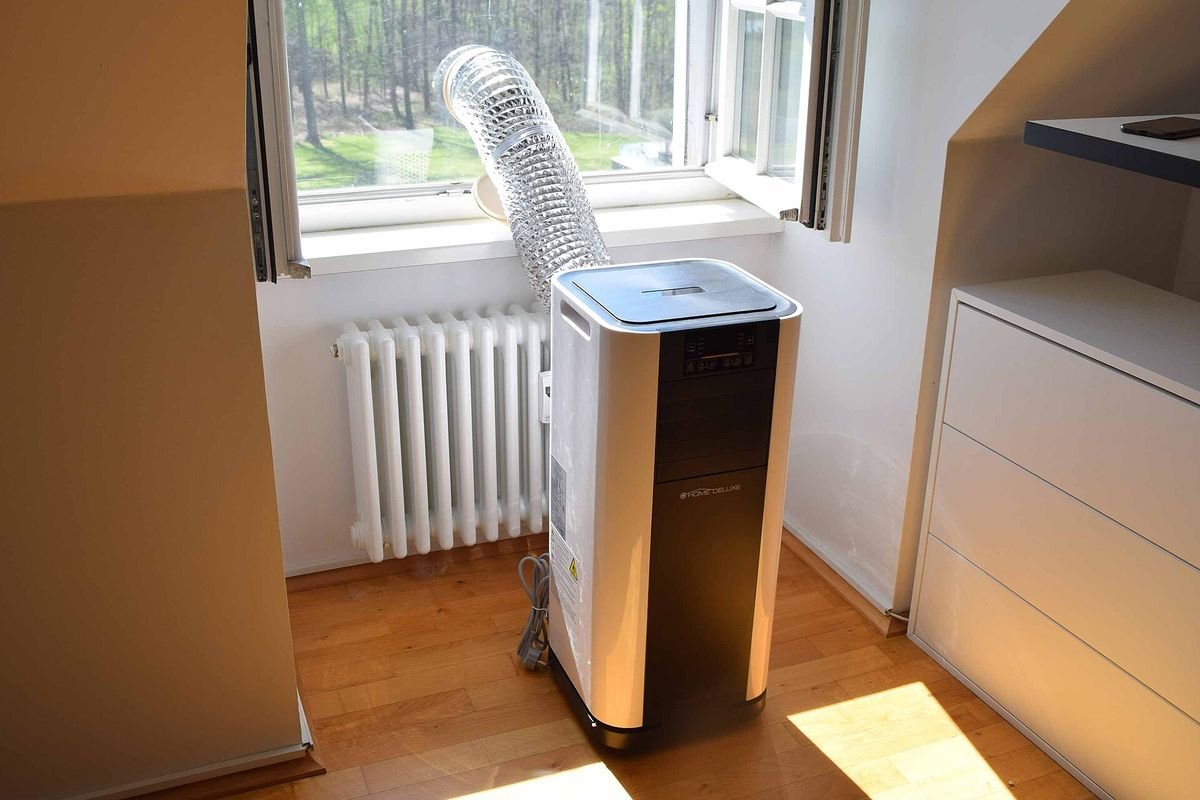
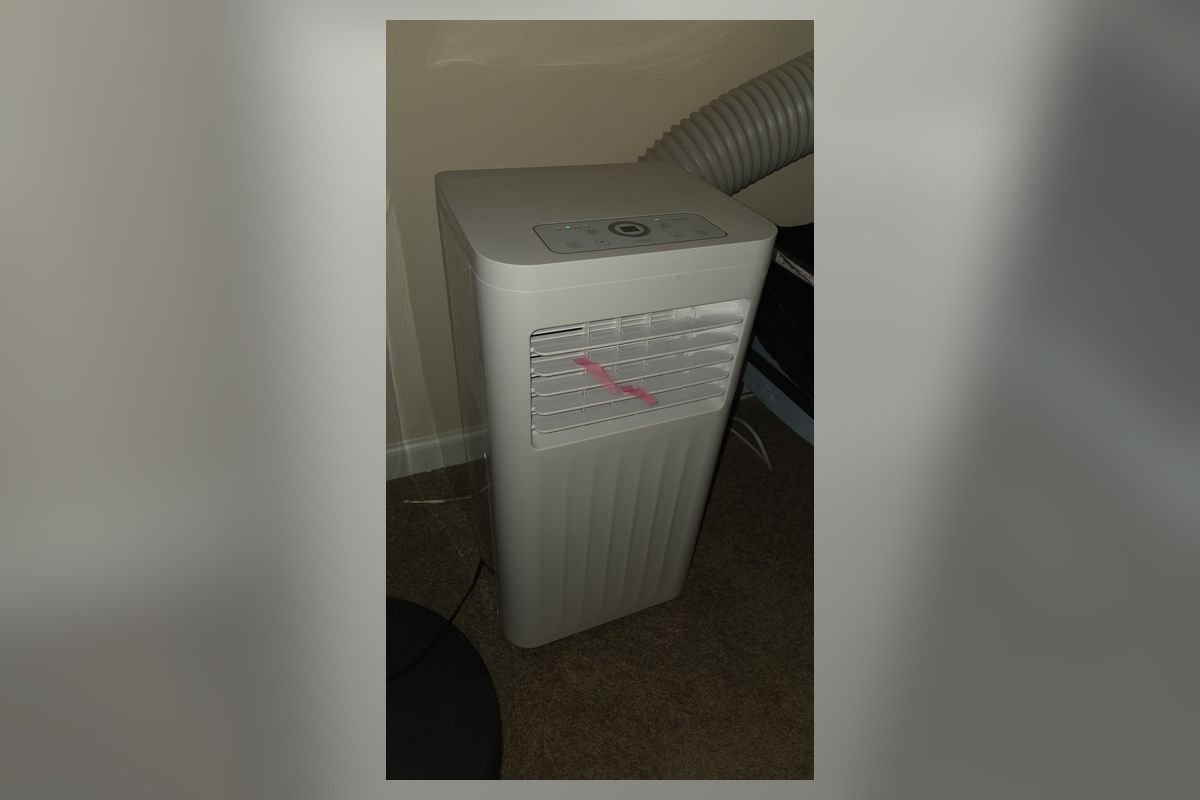
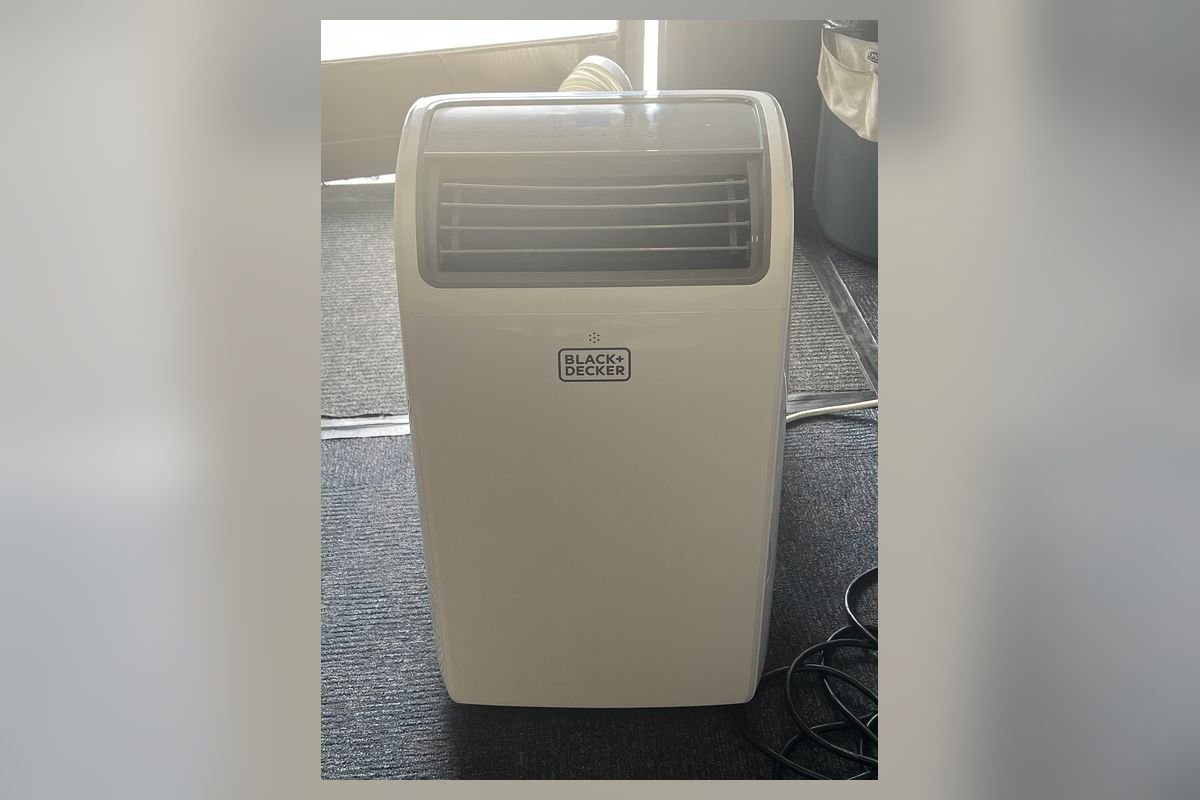
*Street prices move constantly on Amazon and during sales. Always check current Amazon price before you buy, and confirm the exact model number, BTU ratings, and included window kit on the listing.
Compare at a glance
| Award | Model | Type | Cooling (BTU)* | Room size* | Approx. price* | Shop |
|---|---|---|---|---|---|---|
| Best overall | Midea Duo MAP14S1TBL | Hose-in-hose inverter (dual-flow) | 14,000 ASHRAE / 12,000 SACC | Up to 550 sq ft (manufacturer) | ~$450–$650 | Check price on Amazon |
| Best with heat | Midea Duo MAP14HS1TBL (heat) | Hose-in-hose inverter + heat pump | 14,000 ASHRAE / 12,000 SACC; 12,000 BTU heat | Up to 550 sq ft (manufacturer) | ~$550–$750 | Check price on Amazon |
| Best smart single-hose | BLACK+DECKER BPACT12WT | Single hose, Wi-Fi | 12,000 ASHRAE (SACC varies by version—check listing) | Plan on ~250–350 sq ft based on its SACC rating | ~$350–$500 | Check price on Amazon |
| Best value 12,000 BTU | Frigidaire FHPW122AC1 | Single hose, Wi-Fi | 12,000 ASHRAE / 8,000 DOE (SACC) | Up to 350 sq ft (manufacturer) | ~$300–$420 | Check price on Amazon |
| Best compact / small room | Whynter ARC-102CS | Single hose, compact | 10,000 ASHRAE / 7,000 SACC | Up to 300 sq ft (manufacturer) | ~$250–$380 | Check price on Amazon |
*ASHRAE is the older, larger lab number; SACC (also called DOE) is the newer U.S. rating that better reflects real-world cooling. Room sizes are manufacturer-stated figures for a typical room; sunny, top-floor, or high-ceiling rooms need more capacity. Prices are approximate street ranges and change often—check current Amazon price.
How we chose
This guide is a research roundup for Home Upgrade Atlas—not a hands-on lab test. We prioritized models that:
- Publish an SACC/DOE rating (or make it easy to find), so you can compare real cooling capacity instead of the inflated ASHRAE headline number.
- Cover a distinct need — best overall efficiency and quiet, cooling plus heat, smart single-hose, value 12,000 BTU, and a compact small-room unit.
- Run on a standard 115V/120V outlet with a window kit, washable filter, timer, and dehumidify mode included, per the manufacturer.
- Are real, current, widely sold models from established brands (Midea, BLACK+DECKER, Frigidaire, Whynter) with published manuals or spec sheets.
- Show up in recent 2026 roundups from independent review sites and have consistent owner feedback on noise, cooling, and setup.
- Disclose limits honestly — portable ACs are less efficient than window or mini-split units, and single-hose designs struggle most in extreme heat.
A portable AC works best as part of a comfort plan. A smart thermostat keeps the central system from fighting you in shoulder seasons, and in a muggy basement a dedicated basement dehumidifier is often the cheaper fix than an AC. If allergies or smoke are the real problem, pair your AC with an apartment air purifier; and when the weather turns, our bedroom space heater guide covers the other half of the year.
Best overall: Midea Duo 14,000 BTU Smart Inverter Portable Air Conditioner (MAP14S1TBL)
Who it’s for: Anyone cooling a real living room, a large bedroom, or a home office who wants the closest thing to window-AC efficiency and quiet in a portable unit.
The Midea Duo MAP14S1TBL is the pick we would start with for most homes. Midea rates it at 14,000 BTU ASHRAE and 12,000 BTU SACC/DOE—a high SACC number for a portable—and markets it for spaces up to 550 sq ft. Two design choices set it apart. First, a variable-speed inverter compressor ramps up and down instead of cycling hard on and off; Midea claims over 40% energy savings versus the U.S. federal standard and noise as low as 42 dBA. Second, its hose-in-hose (“Duo”) design pulls outside air in through one channel and exhausts hot air through another, so the unit does not suck warm air in from hallways and door gaps the way a basic single-hose unit does.
It cools, dehumidifies, and runs as a fan, with three fan speeds, a timer, sleep mode, and a washable filter. Smart control runs through Midea’s SmartHome app with Amazon Alexa and Google Assistant voice support, and a remote is included. The window kit and hose store inside the unit’s built-in design, which makes end-of-season storage easier. The tradeoffs are size and weight: about 19.5" W x 16.7" D x 32.5" H and roughly 75 lb, and the thick hose needs a window opening of at least about 10 inches tall. Recent 2026 roundups from independent review sites frequently name the Duo their top overall portable AC. Expect roughly ~$450–$650 depending on sales—check current Amazon price.
Key specs (manufacturer): 14,000 BTU ASHRAE / 12,000 BTU SACC; up to 550 sq ft; inverter; hose-in-hose; 115V, about 11.9A; R-32; as low as 42 dBA; Wi-Fi app + Alexa/Google; 19.53" x 16.73" x 32.48"; about 75 lb; 1-year warranty. A smaller MAP12S1TBL version exists in the same series.
Pros: Highest SACC rating here; inverter efficiency and quiet; hose-in-hose design avoids the negative-pressure problem; strong app and voice control.
Cons: Heavy and tall; the thick hose needs a taller window opening; costs more than single-hose units; no heat (see the MAP14HS1TBL below).
Bottom line: If you want one best portable air conditioner that actually cools a big room quietly, the Midea Duo is the safest place to start.
Best with heat: Midea Duo 14,000 BTU Smart Inverter Portable AC with Heat (MAP14HS1TBL)
Who it’s for: Bonus rooms, sunrooms, converted garages, and finished attics that are hot in July and chilly in April or October, where one machine should do both.
The Midea Duo MAP14HS1TBL is the heat-pump version of our top pick. Cooling specs match the standard Duo—14,000 BTU ASHRAE / 12,000 BTU SACC, inverter compressor, hose-in-hose design, and up to 550 sq ft—and it adds a heat-pump mode that retailers list at about 12,000 BTU of heating. Because a heat pump moves heat instead of making it with resistance coils, it can warm a room more efficiently than a 1,500W space heater in mild weather. Midea’s manual lists heat-pump operation for roughly 41–86°F, so think of it as a spring-and-fall heater, not a deep-winter furnace replacement.
Everything else carries over: cool, dry, fan, and heat modes; Wi-Fi app with Alexa and Google voice control; remote; washable filter; and noise as low as 42 dBA. One practical difference matters: in heat mode the unit produces condensate that must be drained, so Midea says the drain hose must be installed when you heat. Plan a spot where a hose can run to a floor drain, a bucket, or outside. It is slightly heavier at about 77 lb. Typical pricing runs around ~$550–$750, often a modest premium over the cooling-only Duo—check current Amazon price, especially during fall sales.
Key specs (manufacturer): 14,000 BTU ASHRAE / 12,000 BTU SACC cooling; heat-pump mode (about 12,000 BTU heat listed); up to 550 sq ft; inverter; hose-in-hose; 115V, about 11.9A; R-32; Wi-Fi app + Alexa/Google; about 77 lb.
Pros: Year-round comfort from one unit; efficient heat-pump heat in mild weather; same quiet inverter cooling as our top pick.
Cons: Highest price band here; drain hose required in heat mode; heat output drops as it gets cold outside; just as big and heavy as the standard Duo.
Bottom line: Worth the upgrade if the room you are cooling in summer is also the room you are space-heating in spring and fall.
Best smart single-hose: BLACK+DECKER 12,000 BTU Smart Portable Air Conditioner (BPACT12WT)
Who it’s for: Bedrooms and apartments where scheduling from your phone and voice control matter, and the room is medium-sized rather than a big open living area.
The BLACK+DECKER BPACT12WT is one of the most widely sold smart portable ACs on Amazon. It is a classic single-hose 3-in-1 air conditioner, dehumidifier, and fan rated at 12,000 BTU ASHRAE. Its current smart version adds Wi-Fi control through the BLACK+DECKER app and voice control with Amazon Alexa or Google Assistant, plus a full-function remote with a “Follow Me” feature that uses the remote as the thermostat, so the unit cools to the temperature where you are sitting rather than right next to the machine.
BLACK+DECKER lists four cooling speeds (including auto), three fan speeds, a 24-hour timer, auto left-right air swing, adjustable up-down louvers, a washable filter, auto water evaporation for normal cooling, R-32 refrigerant, and an included window kit. It measures about 16.5" W x 14.1" D x 27.1" H and weighs roughly 59 lb. The one thing to watch is the SACC rating: BLACK+DECKER’s own pages show different SACC figures for different production versions of the BPACT12WT, and all of them are far below the 12,000 headline number (one product page lists about 5,950 BTU SACC). Read the DOE/SACC figure on the listing you buy and plan on a room of roughly 250–350 sq ft, toward the low end if your listing shows the lower figure. BLACK+DECKER also notes BPACT units are not sold in California. Expect roughly ~$350–$500—check current Amazon price.
Key specs (manufacturer): 12,000 BTU ASHRAE (SACC varies by version); single hose; Wi-Fi app + Alexa/Google; Follow Me remote; 4 cooling + 3 fan speeds; auto swing; 24-hour timer; R-32; about 16.5" x 14.1" x 27.1"; about 59 lb. A larger BPACT14 version exists.
Pros: Easy app and voice control; Follow Me remote improves comfort; auto swing spreads air; lighter and smaller than the Midea Duo.
Cons: Single hose is less efficient in extreme heat; SACC rating is much lower than the box suggests; louder than an inverter unit; not available in California.
Bottom line: A solid smart pick for a medium bedroom or apartment, as long as you size it by its SACC rating rather than the 12,000 on the box.
Best value 12,000 BTU: Frigidaire 3-in-1 Connected Portable Air Conditioner, 12,000 BTU ASHRAE / 8,000 BTU DOE (FHPW122AC1)
Who it’s for: Shoppers who want a dependable, mainstream-brand portable AC for a medium bedroom or den at a lower price than the inverter models.
The Frigidaire FHPW122AC1 is a straightforward value pick that is refreshingly honest on its spec sheet: Frigidaire lists it as 12,000 BTU ASHRAE / 8,000 BTU DOE (SACC) right in the product name and rates it for rooms up to 350 sq ft. It is a single-hose 3-in-1 unit (cool, dry, fan) with Wi-Fi connectivity through the Frigidaire app, a remote, three fan speeds, auto fan, sleep mode, a 24-hour on/off timer, auto restart after a power outage, and a child lock.
Frigidaire’s spec sheet lists airflow of 320/360/400 CFM and noise of about 49/51/52 dBA on low, medium, and high, which is typical for a single-hose compressor unit. It draws about 12A at 115V and uses an LCDI safety plug, it is ETL listed, and it supports continuous drain operation if you are in a humid area and do not want to empty water. The window kit fits openings from about 10.6" to 59". The unit is about 16.6" W x 13.8" D x 27.9" H. Typical street pricing is around ~$300–$420—check current Amazon price.
Key specs (manufacturer): 12,000 BTU ASHRAE / 8,000 BTU DOE (SACC); up to 350 sq ft; single hose (6"); 115V, 12A; Wi-Fi; 3 fan speeds; 49–52 dBA (manufacturer); continuous drain option; R-32; ETL listed; window kit for about 10.6"–59" openings.
Pros: Clear, honest DOE rating; Wi-Fi at a value price; continuous drain; child lock and auto restart; trusted appliance brand.
Cons: Single hose is less efficient than the Midea Duo; noticeably louder than an inverter unit; 350 sq ft is the realistic ceiling.
Bottom line: The sensible budget choice for one medium room when you do not need inverter quiet.
Best compact / small room: Whynter 10,000 BTU (7,000 BTU SACC) Compact Portable Air Conditioner (ARC-102CS)
Who it’s for: Small bedrooms, nurseries, dorm-style rooms, and home offices up to about 300 sq ft, especially where floor space is tight.
The Whynter ARC-102CS earns its spot on footprint. At about 14" W x 14" D x 28" H, it takes up noticeably less floor space than the other picks, which matters next to a bed or desk. Whynter rates it at 10,000 BTU ASHRAE / 7,000 BTU SACC for rooms up to 300 sq ft—sized right for a typical bedroom rather than a living room.
It is a single-hose 3-in-1 unit (cool, dehumidify, fan) with a 62–86°F thermostat, two fan speeds, a remote, and a 24-hour timer. Whynter adds an activated carbon air filter behind a washable pre-filter, and its auto-drain function exhausts most condensate during normal cooling, with an upper gravity drain port for continuous draining in very humid weather. Power draw is listed at about 1,110W / 9.8A, noise at under 50 dBA, and it uses R-32 refrigerant with a hose up to 59". There is no Wi-Fi, so pair it with a timer rather than an ordinary smart plug. Expect roughly ~$250–$380—check current Amazon price.
Key specs (manufacturer): 10,000 BTU ASHRAE / 7,000 BTU SACC; up to 300 sq ft; single hose; 115V, about 9.8A; 2 fan speeds; 62–86°F; activated carbon + washable pre-filter; auto drain; R-32; 14" x 14" x 28".
Pros: Smallest footprint here; lowest price band; carbon filter; low amp draw is easier on shared bedroom circuits.
Cons: No Wi-Fi or voice control; only two fan speeds; too small for a living room or a sunny top-floor room.
Bottom line: The best portable AC for a small bedroom or office where every square foot of floor counts.
Buying guide: how to choose a portable air conditioner
Size by SACC, not ASHRAE. Since 2017, U.S. rules require portable ACs to carry an SACC (Seasonally Adjusted Cooling Capacity) rating, also shown as “DOE BTU.” It accounts for heat that leaks back in through the hose and the unit itself, so it runs well below the older ASHRAE number many boxes still print largest. Midea’s own manual notes the newer figures look lower because the test changed, not the machines. Compare SACC to SACC, and treat the ASHRAE figure as marketing.
| Room size (typical 8 ft ceiling) | Look for (SACC/DOE) | Our pick |
|---|---|---|
| Up to ~300 sq ft (small bedroom, office) | About 6,000–7,000 BTU | Whynter ARC-102CS |
| ~250–350 sq ft (primary bedroom, den) | About 7,000–8,000 BTU | Frigidaire FHPW122AC1 (or BLACK+DECKER BPACT12WT if its listing shows a similar SACC) |
| ~350–550 sq ft (living room, open area) | About 10,000–12,000 BTU | Midea Duo MAP14S1TBL (or MAP14HS1TBL with heat) |
This chart is a rough planning guide based on manufacturer room-size claims. Size up for very sunny rooms, top floors, kitchens, high ceilings, or rooms where several people gather.
Single hose vs dual hose. A single-hose unit uses room air to cool its condenser and blows it outside, which creates slight negative pressure—warm air from other rooms and gaps gets pulled in to replace it. That works fine in moderate heat and smaller rooms. A dual-hose or hose-in-hose unit like the Midea Duo pulls outside air in for the condenser and exhausts it again, so it keeps more of your cooled air inside and holds up better in a heat wave. If the room is big or your summers are brutal, it is worth paying for.
Inverter vs standard compressor. Inverter models (both Midea Duos) vary their speed to hold temperature, which usually means lower noise, steadier temperatures, and lower energy use. Standard units cycle fully on and off, which is louder and more noticeable in a bedroom.
Check your window and the window kit. Portable ACs vent through an included kit designed mainly for sliding and double-hung windows. Measure the opening against the kit range on the spec sheet (the Frigidaire kit, for example, covers about 10.6"–59"). Casement and crank-out windows usually need a separate adapter or a custom panel. Keep the hose as short and straight as possible, and never extend it beyond the manufacturer’s length; a long, sagging hose heats your room back up.
Plan for draining. Most units evaporate much of their condensate in cooling mode and exhaust it with the hot air, but in humid weather or dehumidify mode they collect water. Look for a continuous drain port (Frigidaire, Whynter, Midea) if you do not want to empty a tray. Heat-pump models like the MAP14HS1TBL need the drain hose connected in heat mode.
Noise and smart features. Single-hose compressor units typically land around the low 50s dBA on high; inverter units can drop into the low 40s on low. App control and Alexa/Google voice (Midea, BLACK+DECKER, Frigidaire) are useful for pre-cooling a room before bed or before you get home.
Portable vs window AC. Be honest about the tradeoff: a window unit with the same SACC rating is usually more efficient and quieter in the room because the compressor sits outside. Buy a portable when a window unit is not allowed, will not fit your window, or you need to move cooling between rooms.
Portable AC safety and setup checklist
- Plug directly into a wall outlet. Do not use extension cords or power strips. These units draw roughly 10–12A at 115V, and many ship with a safety (LCDI) plug that should not be modified.
- Avoid ordinary smart plugs. Use the unit’s own app or timer; most basic smart plugs are not designed for compressor loads.
- Watch shared circuits. A portable AC on a 15A bedroom circuit with a space heater, hair dryer, or gaming PC can trip the breaker.
- Leave clearance around the intake and outlet (follow the distance in your manual—often a foot or more from walls and furniture) and keep curtains away from the vents.
- Secure the window. A window kit leaves a sash partly open; add the included foam and a window lock or bar, especially on ground floors.
- Clean the filter every couple of weeks in peak season to keep airflow and efficiency up.
- Drain and dry before storage at the end of the season to prevent mildew.
| If you… | Choose |
|---|---|
| Want the best cooling and quiet for a big room | Hose-in-hose inverter (Midea Duo MAP14S1TBL) |
| Need cooling now and heat in spring and fall | Inverter with heat pump (Midea Duo MAP14HS1TBL) |
| Care most about app and voice control in a medium room | Smart single-hose (BLACK+DECKER BPACT12WT) |
| Want a value pick from a mainstream appliance brand | 12,000 BTU ASHRAE / 8,000 DOE (Frigidaire FHPW122AC1) |
| Have a small bedroom or office and little floor space | Compact 7,000 BTU SACC (Whynter ARC-102CS) |
FAQ
What is the best portable air conditioner in 2026?
For most rooms, the Midea Duo 14,000 BTU Smart Inverter Portable Air Conditioner (MAP14S1TBL) is our top research pick: 12,000 BTU SACC, a hose-in-hose design, inverter efficiency, and quiet operation as low as 42 dBA. Choose the MAP14HS1TBL if you also want heat, the Frigidaire FHPW122AC1 on a tighter budget, or the compact Whynter ARC-102CS for a small bedroom.
What is the difference between ASHRAE and SACC BTU?
ASHRAE is an older test that reports a higher cooling number. SACC (also labeled DOE) is the newer U.S. rating that accounts for heat leaking back into the room through the hose and unit, so it is closer to real-world performance. Always compare portable ACs by SACC.
How many BTUs do I need for a 400 sq ft room?
As a rough guide, look for about 10,000–12,000 BTU SACC for a 400–550 sq ft room with normal ceilings, and size up if the room is very sunny or on a top floor. That points to a unit like the Midea Duo rather than a 12,000 BTU ASHRAE single-hose model, which is usually closer to 6,000–8,000 BTU SACC.
Do portable air conditioners need a window?
Yes, in practice. A portable AC has to exhaust hot air outside through its hose, usually with the included window kit. Some people vent through a wall or a sliding door with a special kit, but there is no true ventless portable air conditioner—“ventless” evaporative coolers are a different product that adds humidity.
Is a dual-hose portable AC worth it?
Usually yes for larger rooms and hot climates. Dual-hose and hose-in-hose units avoid pulling warm air in from other rooms, so they cool faster and more efficiently than single-hose units with similar ratings. For a small bedroom in a moderate climate, a good single-hose unit is fine.
Can I plug a portable air conditioner into an extension cord?
No. Manufacturers say to plug the unit directly into a properly grounded wall outlet. Portable ACs draw roughly 10–12A, which can overheat extension cords and power strips. If the breaker trips, move other loads off that circuit.
Verdict
The best portable air conditioner is the one sized by its SACC rating for the room you actually need to cool. Match the type to your room, then check current Amazon price:
- Midea Duo MAP14S1TBL — best overall: hose-in-hose inverter with 12,000 BTU SACC for rooms up to 550 sq ft.
- Midea Duo MAP14HS1TBL — best with heat: the same cooling plus a heat-pump mode for spring and fall.
- BLACK+DECKER BPACT12WT — best smart single-hose with app, Alexa/Google, and a Follow Me remote.
- Frigidaire FHPW122AC1 — best value 12,000 BTU ASHRAE / 8,000 BTU DOE pick for rooms up to 350 sq ft.
- Whynter ARC-102CS — best compact unit for small bedrooms and offices up to 300 sq ft.
Before you buy, measure the room and the window opening, plan a dedicated wall outlet, and decide how you will drain it. Shopping in fall often brings the best portable AC prices of the year, so a unit picked now will be ready before next summer’s first heat wave.
More buying guides on Home Upgrade Atlas
Browse all guides