
Fall is when a best smart thermostat upgrade actually pays for itself. Heating season stretches evening setbacks, weekend away modes, and “I forgot to turn it down” mistakes into real dollars on the utility bill. A modern Wi-Fi thermostat with schedules, geofencing, and (on the better models) remote room sensors can keep rooms comfortable without running the furnace or heat pump like a dumb clock.
If you are choosing between Nest vs Ecobee—or shopping budget Alexa and apartment-friendly options—this guide focuses on models that still show up in reputable 2025–2026 coverage from Wirecutter, PCMag, brand specs, and major retailers. We skip discontinued SKUs (including the older Honeywell Home T9, which Honeywell’s own store now marks unavailable) and stick to currently marketed Amazon US options. Always check current Amazon price—street pricing and utility rebates swing hard in heating season.
Quick picks
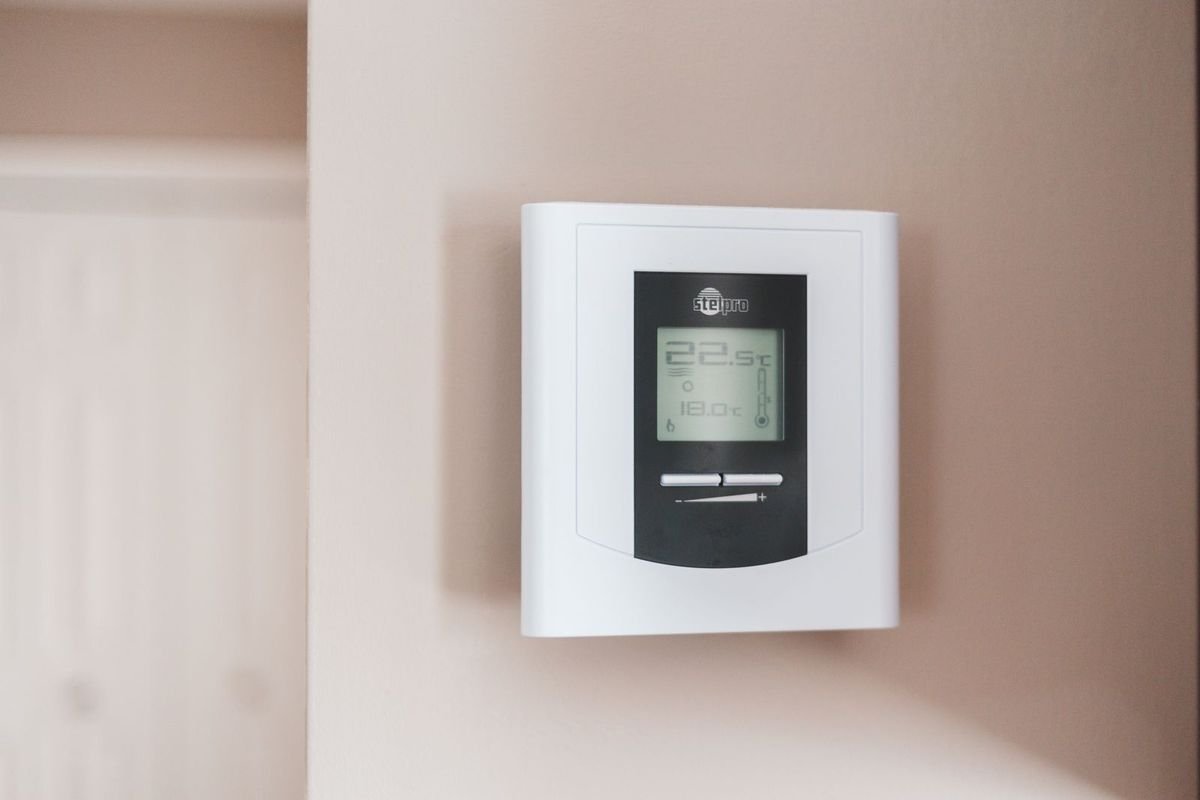
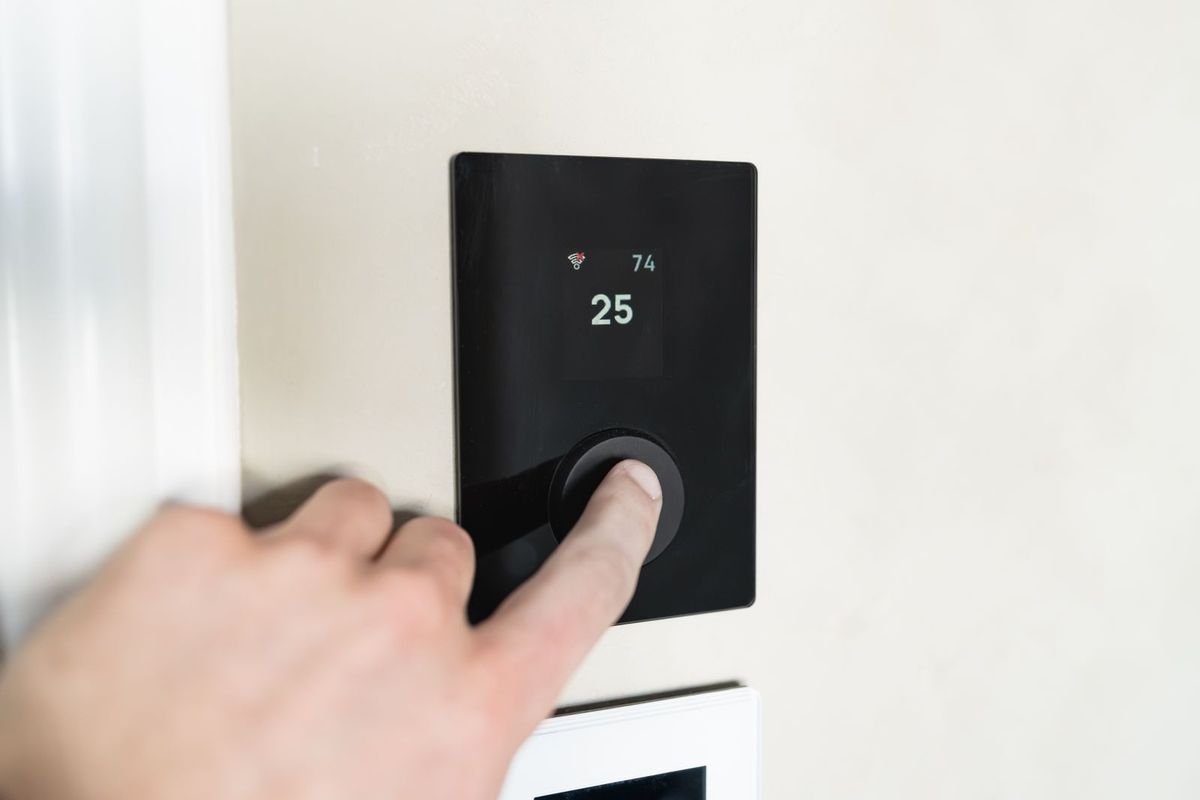

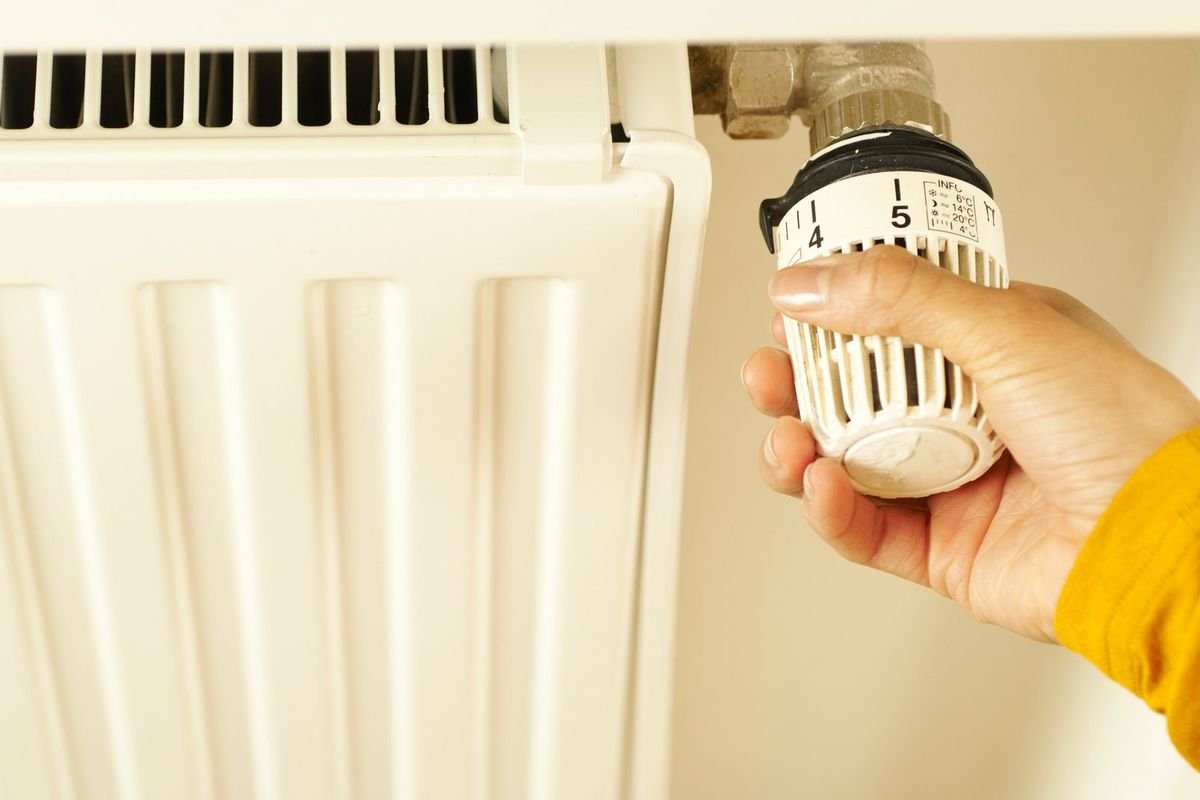
*Street prices move constantly on Amazon and during utility rebate seasons. Always check current Amazon price before you buy. Confirm HVAC compatibility (and C-wire / power-adapter needs) with each brand’s checker—see the buying guide.
How we chose
This guide is a research roundup for Home Upgrade Atlas—not a hands-on lab test. We prioritized models that:
- Match fall heating intent — ENERGY STAR–class scheduling, setbacks, and remote control when you leave the house cold overnight or empty all day.
- Show up in reputable 2025–2026 coverage — especially Wirecutter’s smart-thermostat guide (updated January 2026), plus PCMag and brand specification pages.
- Serve distinct jobs — overall comfort, Google/Nest design, Ecobee sensor value, Alexa budget/renter installs, and a cheaper Nest for apartments.
- Avoid discontinued or sketchy SKUs — we do not recommend the discontinued Honeywell Home T9 as a primary buy even though the name still appears in older “Nest vs Ecobee” comparison searches.
- Disclose wiring and savings honestly — C-wire / PEK / Power Connector realities, heat-pump setback limits, and the gap between brand “save up to X%” marketing and typical ENERGY STAR–style expectations.
Smart climate control pairs well with the rest of a fall home stack: a bedroom heater for rooms HVAC does not reach (see our best space heaters for bedroom), beginner automations via smart plugs, and cleaner indoor air when you seal windows for heating season (best air purifiers for apartments). Dust that settles when forced air runs harder still needs floor cleanup—our cordless stick vacuums under $200 guide covers that side of the house.
Best overall: Ecobee Smart Thermostat Premium
Who it’s for: Homeowners who want the default Nest vs Ecobee answer tipped toward whole-home comfort, remote sensors with occupancy awareness, and Apple Home / Alexa / Google flexibility—not a Google-only stack.
Wirecutter’s January 2026 update named the Ecobee Smart Thermostat Premium its top smart thermostat after long-term testing for consistent whole-home comfort. Brand list price is $259.99; Wirecutter and major retailers commonly show street pricing near ~$250–$270—check current Amazon price. In the box you get one SmartSensor (temperature + occupancy), a Power Extender Kit (PEK) for many homes without a C-wire, a metal-and-glass chassis, a ~4-inch color touchscreen, built-in Alexa (and Siri voice options per Ecobee’s docs), and an indoor air-quality monitor with alerts.
Research coverage highlights humidity-aware eco+ adjustments, Smart Recovery pre-heat/pre-cool timing, and Follow Me–style room priority when sensors detect occupancy—features that matter more in multi-level or hot/cold-spot homes than a single hallway thermostat reading. Ecobee claims customers can save up to 26% on heating and cooling versus a constant hold (brand methodology; your climate, insulation, and setbacks will vary). ENERGY STAR certification also means many utilities still offer rebates—check your provider.
Key specs (Ecobee + Wirecutter context): ~$250–$270 typical street; included SmartSensor + PEK; dual-band Wi-Fi; Apple Home / Alexa / Google / SmartThings; works with most 24VAC furnaces, ACs, heat pumps, and boilers (confirm with Ecobee’s checker); 3-year limited warranty—check current Amazon price.
Pros: Research-backed overall pick; occupancy-aware room sensors; PEK included; air-quality display; broad ecosystem support.
Cons: Higher sticker than Enhanced or Amazon; voice/speaker features are overkill for some; advanced settings can feel deep for set-and-forget users.
Bottom line: If you want one best smart thermostat default for 2026 and can spend mid-$200s, start with the Ecobee Premium.
Best design / Google homes: Google Nest Learning Thermostat (4th gen)
Who it’s for: Households deep in Google Nest / Google Home who care about the dial hardware, automatic Smart Schedule learning, and Matter control—and who want Nest vs Ecobee answered on the Nest side.
The Nest Learning Thermostat (4th generation) is Google’s current flagship. Google Store list is $279.99, with sale pricing sometimes near ~$240; Wirecutter has seen Amazon pricing around ~$260—check current Amazon price. It includes one Nest Temperature Sensor (2nd gen) for hot/cold rooms (temperature only—no occupancy detection like Ecobee’s SmartSensor). Google markets Power Sharing so a C-wire is not required in most homes, though Nest and Wirecutter still recommend using a C-wire when available for modern HVAC reliability.
Wirecutter positions the 4th gen as the easiest AI-assisted setup pick: you adjust temps for about a week, then Smart Schedule and Adaptive Eco take more of the wheel. The larger Dynamic Farsight display, twist-ring controls, and System Health Monitor alerts are the lifestyle draws. Matter support lets you reach beyond Google Home in compatible apps. Savings claims on Nest pages cite up to ~31% on heating and cooling for Nest thermostat users in general (brand figure—treat as marketing, not a guarantee).
Key specs: ~$240–$280; included Nest Temperature Sensor; Matter; Google Home app; works with most 24VAC systems (confirm Google’s checker); humidifier/dehumidifier/ventilation support on this gen—check current Amazon price.
Pros: Best Nest design and learning story; included remote temp sensor; strong Google ecosystem fit; usually no C-wire required.
Cons: Sensors lack occupancy; Wirecutter notes some long-term AI/setback quirks; HomeKit-native buyers may prefer Ecobee; price often matches or exceeds Premium.
Bottom line: Best Nest Learning Thermostat pick when Google Home is already your hub and design matters as much as sensors.
Best value with room sensors: Ecobee Smart Thermostat Enhanced
Who it’s for: Buyers who want Ecobee’s comfort and SmartSensor ecosystem without paying for Premium’s built-in speaker, mic, and air-quality hardware.
The Ecobee Smart Thermostat Enhanced lists at $199.99 on Ecobee’s site, with Amazon street prices often in the ~$170–$200 band—check current Amazon price. Wirecutter notes it performs like the Premium on HVAC control while stripping the Alexa-on-the-wall speaker, air-quality monitor, and included sensor. You still get a PEK in the box, dual-platform smart-home support (Alexa, Apple Home, Google, SmartThings), eco+ software, and full SmartSensor compatibility—sensors typically sell as a two-pack around ~$80–$100 if you do not already own them.
For many houses, Enhanced + one SmartSensor pack lands near Premium money but lets you place sensors where you need them. If you only need the thermostat on a balanced single-zone home and never plan sensors, Essential-class Ecobee models exist—but Enhanced is the sweeter “room sensors later” value in current roundups.
Key specs: ~$170–$200; PEK included; SmartSensor-ready (none in box); same broad 24VAC compatibility class as Premium—check current Amazon price.
Pros: Strong Ecobee comfort stack at a lower sticker; PEK included; easy path to multi-room sensing.
Cons: No included sensor; plastic build vs Premium metal/glass; no built-in AQ or speaker.
Bottom line: Best mid-tier Ecobee Smart Thermostat when sensors matter more than the Premium display extras.
Best budget / renters (Alexa): Amazon Smart Thermostat
Who it’s for: Alexa households, landlords/renters who can change a low-voltage thermostat, and anyone who wants ENERGY STAR smart control without a $200+ flagship.
Wirecutter’s 2026 budget pick, the Amazon Smart Thermostat, is built with Honeywell Home technology and controlled through the Alexa app (Ring app control is also documented after setup). List price is commonly $79.99, with street and promo pricing often in the ~$60–$80 range—sometimes lower with utility rebates Amazon emails after purchase—check current Amazon price.
It supports schedules and Alexa Hunches for basic learning-style suggestions, but it is not a Nest Learning or Ecobee Follow Me clone. A C-wire is required; Amazon sells a separate C-wire adapter / bundle if your furnace board lacks one (add roughly ~$15–$25 if you need it). Compatible Echo devices with temperature sensing can help with hot/cold spots as a workaround—true multi-room sensor kits like Ecobee’s are not the point of this model.
Key specs: ~$60–$80; Alexa / Ring ecosystem; ENERGY STAR; most 24VAC systems (not line-voltage baseboards); C-wire or adapter required—check current Amazon price.
Pros: Lowest serious smart-thermostat sticker; simple Alexa install flow; rebate-friendly; Honeywell Home heritage.
Cons: Alexa-only; no included room sensors; audible click on some units; adapter cost if you lack a C-wire.
Bottom line: Best Amazon Smart Thermostat / renter-friendly budget pick when Alexa already runs the house and you just need schedules plus remote control.
Best Nest on a budget / apartments: Google Nest Thermostat
Who it’s for: Apartment dwellers and smaller homes shopping the best smart thermostat for apartments who want Google Home control and Nest energy reports without paying for the Learning 4th gen.
The non-Learning Google Nest Thermostat lists at $129.99 on the Google Store, with Amazon street pricing often near ~$100–$130—check current Amazon price. It keeps app control, scheduling, presence-aware auto-adjust when you leave, filter reminders, and Nest Renew options, but it skips the Learning model’s automatic Smart Schedule depth, larger Farsight display, and included temperature sensor. Power Sharing again means a C-wire is often optional, though some systems need a Nest Power Connector—use Google’s compatibility checker before you buy.
For rentals, confirm the lease allows thermostat swaps, photograph wiring, and keep the old unit. Pairing a Nest with a portable heater for a cold bedroom (again, see our space heater guide) is common when central HVAC is landlord-controlled or undersized.
Key specs: ~$100–$130; Google Home app; Matter on current Nest lineup where listed; most 24VAC systems—check current Amazon price and compatibility.
Pros: Cheaper Nest entry; clean app experience; apartment-sensible price; usually easy DIY.
Cons: Less automation than Learning 4th gen; no bundled remote sensor; not the Wirecutter overall pick.
Bottom line: Best budget Google Nest Thermostat when you want Nest branding and Google control without flagship money.
Buying guide: what matters before you order
C-wire, PEK, and Power Connector. Most modern smart thermostats prefer a C-wire (common) for steady 24VAC power. Ecobee Premium and Enhanced include a Power Extender Kit for many no-C-wire installs. Nest Learning 4th gen and the Nest Thermostat use Power Sharing and often run without a C-wire, but Nest still recommends using a C-wire when present. The Amazon Smart Thermostat needs a C-wire or a separate adapter. If you are unsure, photograph your existing wall plate wires and run each brand’s online compatibility checker—or hire an HVAC tech.
Heat pump vs furnace (and setbacks). Heat pumps and radiant systems can hate aggressive overnight setbacks: the Department of Energy notes that oversized setbacks can erase savings if equipment runs nonstop recovering. Start with modest setbacks (a few degrees) and let Smart Recovery / Nest timing learn your home. Dual-fuel and multi-stage systems need terminal matching—do not assume every “smart” SKU supports your accessory humidifier or ventilator.
Room sensors and apartments. One thermostat on a hallway wall lies about bedroom comfort. Ecobee SmartSensors (occupancy + temp) and Nest Temperature Sensors (temp only on Nest’s pucks) are the research-backed fix for hot/cold spots. In apartments, sensors help when the thermostat sits near a drafty entry while you sleep in a colder bedroom. Renters should prioritize reversible installs and landlord approval over wall-sensor sprawl.
Renters vs owners. Owners can chase rebates, PEK installs, and multi-sensor kits. Renters should stick to DIY-friendly, low-cost units (Amazon Smart Thermostat, Nest Thermostat), document wiring, and avoid drilling the furnace cabinet if the lease forbids it. Always restore the original thermostat when you move out unless the landlord wants the upgrade.
Energy savings realism. ENERGY STAR guidance often cites roughly 8%+ heating/cooling savings when smart features are used as intended; brands advertise higher figures (Ecobee’s up to 26%, Nest’s broader Nest-thermostat claims). Treat upper-end percentages as best-case marketing. Real savings come from schedules you keep, geofencing you do not disable, and not fighting the AI with constant holds.
Ecosystem lock-in. Ecobee — best for mixed Alexa + Apple Home + Google homes. Nest — best inside Google Home / Matter. Amazon — Alexa (and Ring) first; not a multi-assistant champion.
FAQ
What is the best smart thermostat in 2026?
For most homes, research roundups—including Wirecutter’s January 2026 guide—favor the Ecobee Smart Thermostat Premium. Choose the Nest Learning Thermostat (4th gen) if you are Google-first and care about design/learning schedules, or the Amazon Smart Thermostat if budget and Alexa matter most.
Nest vs Ecobee—which should I buy?
Pick Ecobee for occupancy-aware room sensors, broader platform support (including Apple Home), and an included PEK. Pick Nest Learning for Google Home polish, automatic schedule learning, and Power Sharing installs. There is no single winner for every house—match ecosystem and sensor needs.
Do I need a C-wire?
Often yes for reliability. Ecobee includes a PEK; Nest often works without a C-wire via Power Sharing; Amazon’s model requires a C-wire or adapter. Always verify with the manufacturer checker for your exact HVAC.
What is the best smart thermostat for apartments?
Start with the Google Nest Thermostat or Amazon Smart Thermostat for price and simpler DIY, assuming your lease allows a swap and your system is compatible 24VAC equipment. Add a space heater only for rooms the central system cannot fix—and keep portable heaters on a safe, tip-over-protected model.
Can a smart thermostat work with a heat pump?
Most of these models support heat pumps when wiring and stages match. Confirm O/B reversing valve terminals and auxiliary heat support in the brand’s checker. Keep setbacks moderate so recovery does not erase savings.
Is the Honeywell Home T9 still a good buy?
Honeywell’s store lists the T9 as no longer available / discontinued in current catalog pages. Shop current Ecobee, Nest, or Amazon models instead of chasing old T9 stock unless you find clear new-old inventory with return rights—and still check current Amazon price and seller legitimacy.
Verdict
Fall heating is the right time to upgrade from a dumb wall clock to a best smart thermostat that schedules setbacks, recovers before you wake up, and (on better kits) listens to remote rooms:
- Ecobee Smart Thermostat Premium — best overall research pick for 2026.
- Google Nest Learning Thermostat (4th gen) — best Nest / Google design and learning flagship.
- Ecobee Smart Thermostat Enhanced — best value path into Ecobee sensors.
- Amazon Smart Thermostat — best budget Alexa / renter-friendly option.
- Google Nest Thermostat — best lower-cost Nest for apartments and smaller homes.
Before you buy, check current Amazon price, run the brand compatibility tool, confirm C-wire / adapter needs, and look for utility rebates. Pair the thermostat with sealed-window air cleaning and sensible portable heat only where HVAC cannot reach—then let schedules do the nightly work you used to forget.
More buying guides on Home Upgrade Atlas
Browse all guides