
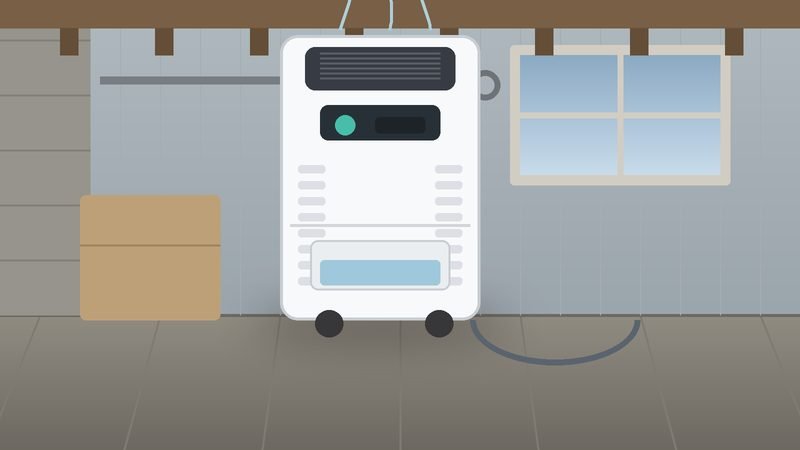
A damp basement is not just a comfort problem—it is a mold, musty-odor, and storage-damage problem. Concrete walls sweat after rain, laundry rooms add humidity, and cold floors keep surfaces below the dew point for months. If you are shopping for the best dehumidifier for basement use in 2026, start with capacity sized to square footage and humidity, prefer continuous drain whenever you can, and treat Energy Star (DOE 2019 / Energy Star v5.0 pint ratings) as a useful filter—not marketing theater.
This guide is a research roundup, not a hands-on lab. We checked Wirecutter’s guide, Reddit owner threads and brand specs for five current 20–50 pint class picks: a Frigidaire as the top pick while the Midea Cube is on hold, a budget hOmeLabs unit (non-pump), a smaller Cube for finished rooms, and a GoveeLife pump model when you need upstairs drain. Always check current Amazon price—street pricing swings hard—and scan CPSC recalls before you buy.
Quick picks
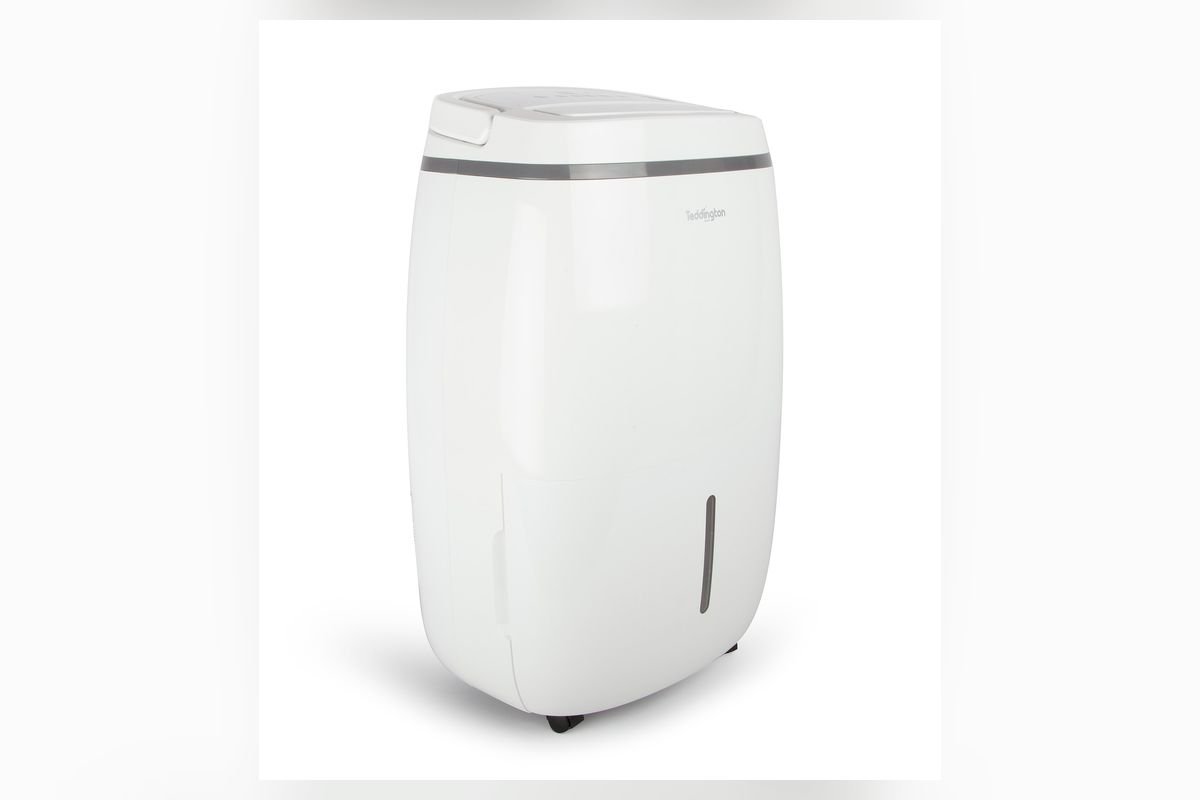
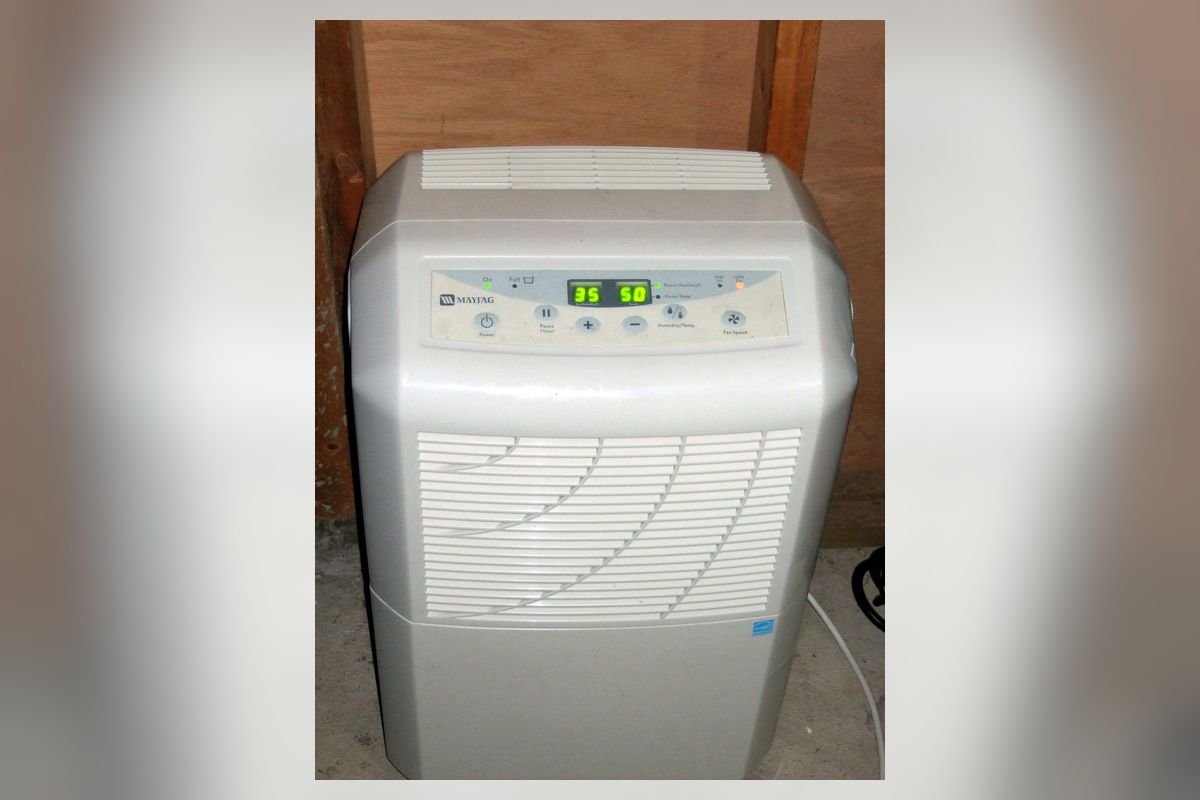
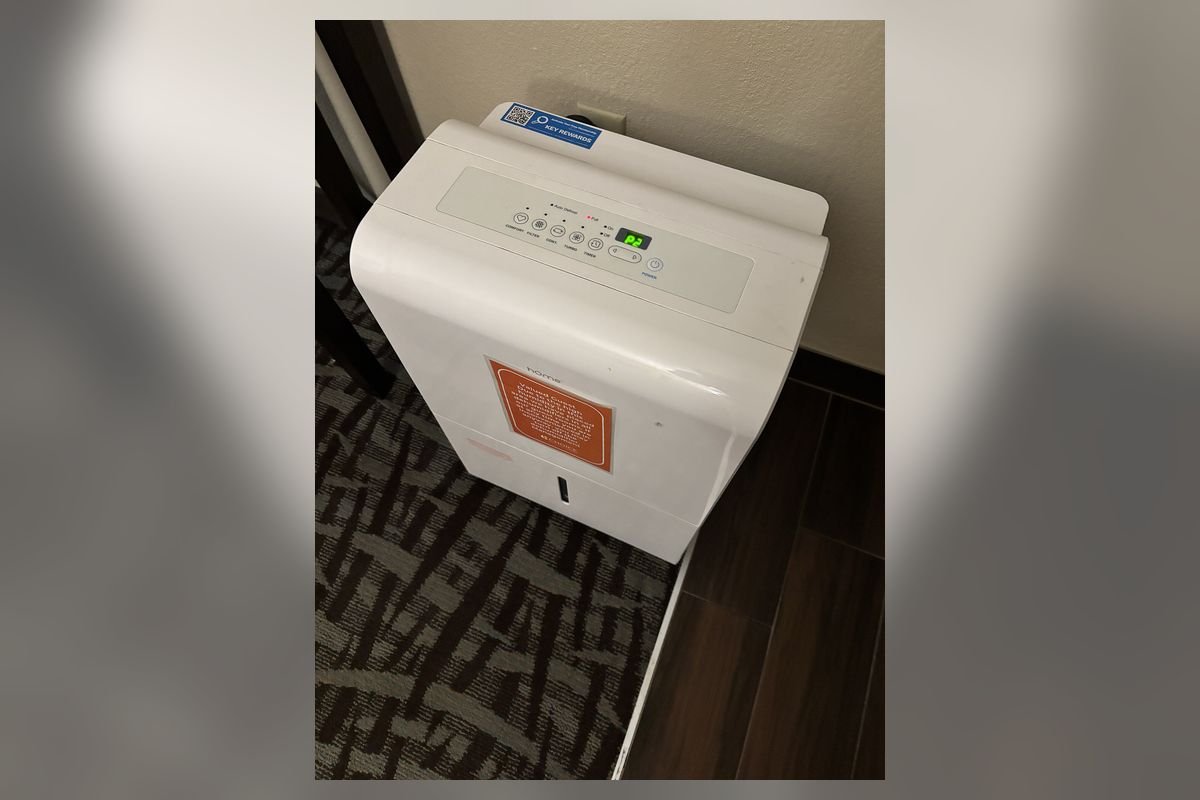
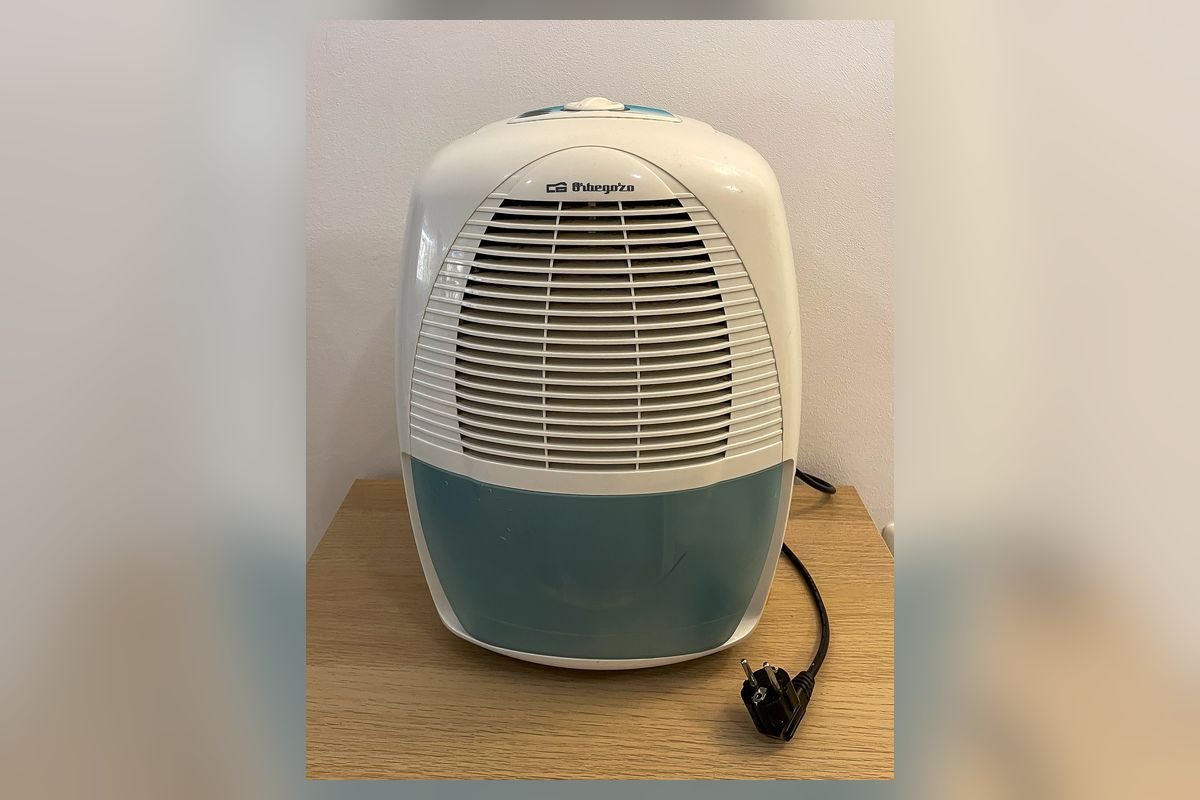
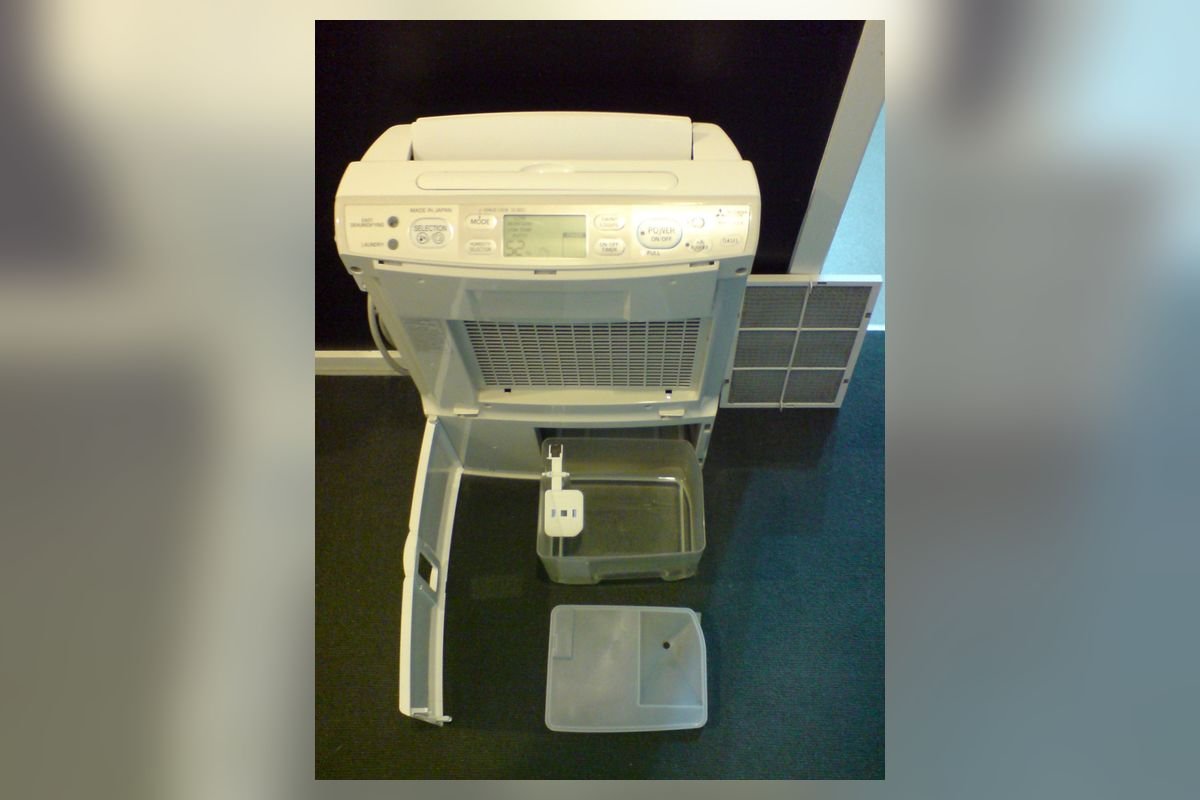
*Street prices move constantly on Amazon and during sales. Always check current Amazon price before you buy. Confirm the exact model number (Cube MAD50S1QWT vs lookalikes, HME1003 vs HME1004, H7152 pump vs H7151 gravity-only).
How we picked
This is a research roundup, not a hands-on lab test. For this update we checked Wirecutter’s dehumidifier guide (updated August 2026), owner threads on r/Dehumidifiers, r/basement and r/BuyItForLife about which units survive several humid summers, and brand specs. We prioritized models that:
- Fit basement reality — 20–50 pint (Energy Star v5.0 / DOE 2019) capacity for typical U.S. unfinished or finished basements, with continuous drain options.
- Show up in reputable 2025–2026 coverage — especially Wirecutter’s guide—or publish clear Energy Star and tank/drain specs on brand pages.
- Serve distinct jobs — overall performance, smart/cold-basement, budget, smaller finished spaces, and pump-up drainage.
- Avoid known-pain SKUs where possible — we skip the hOmeLabs pump variant HME1004 as a primary pick after widespread pump-failure reports, and we call out gravity-only vs pump models by exact name.
- Disclose limits honestly — cold-temperature cutoffs, tank emptying without a drain, and the gap between old AHAM pint ratings and current Energy Star labeling.
Moisture control pairs with cleaner air and smarter HVAC. If musty air is the main complaint upstairs, see our best air purifiers for apartments guide. For cold bedrooms above a damp lower level, our best space heaters for bedroom and best smart thermostats posts help with the comfort stack. Simple schedules for fans or a dehumidifier on a smart outlet start with our best smart plugs for beginners guide.
On hold: Midea Cube 50-Pint (MAD50S1QWT)
On hold: Wirecutter (August 2026) currently advises against buying any Midea Cube because of widespread humidistat complaints. Consider the Frigidaire below instead until this is resolved.
Who it’s for: Most homeowners with a damp unfinished basement (or a large finished lower level) who want the research-backed default and hate emptying a tiny tank every few hours.
The Midea Cube 50-pint (MAD50S1QWT) was Wirecutter’s top pick, praised as the quietest 50-pint model it tested. The defining feature is the oversized tank—about ~4.2 gallons / ~34 pints—paired with top exhaust that lets you nest the unit in tighter corners while air exits upward. Brand materials emphasize Energy Star efficiency, and a gravity drain port for continuous operation when you have a floor drain or sump.
Typical street pricing lands near ~$250–$320—check current Amazon price. Confirm you are buying the MAD50S1QWT Cube, not a lookalike box with a similar “50 pint” badge. If the Cube is out of stock, the Frigidaire FHDD5034W1 below is the usual research-backed pivot.
Key specs: ~$250–$320; 50-pint Energy Star class; huge tank; top exhaust; continuous gravity drain—check current Amazon price.
Pros: Research-backed overall pick; tank size that reduces emptying; efficient moisture removal in independent roundups; Energy Star.
Cons: Gravity drain only (no built-in pump); can sell out; heavier than compact apartment units.
Bottom line: If you want the default best dehumidifier for basement pick in 2026 and can stretch into the mid-$200s, start here.
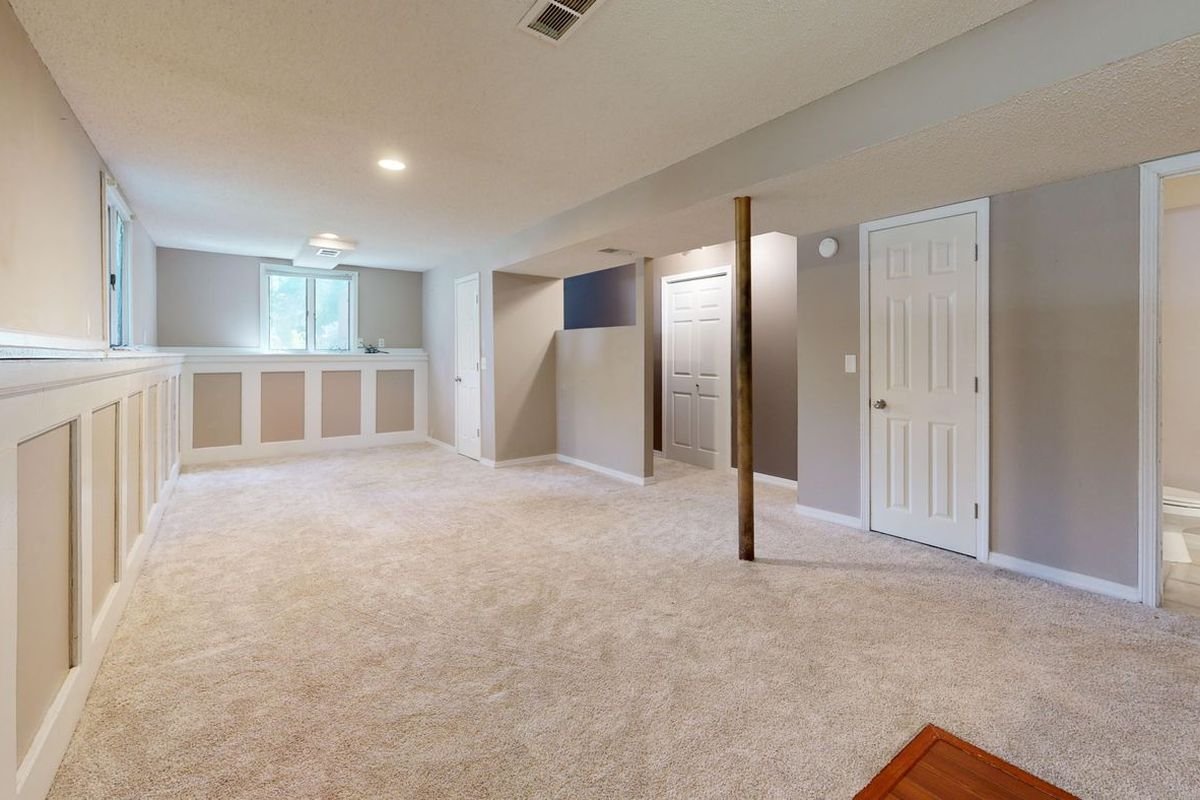
Best overall right now: Frigidaire FHDD5034W1
Note: Wirecutter tested a related Frigidaire Gallery model and liked its app, but says Frigidaire dehumidifiers get more mechanical-failure complaints than Midea. Wirecutter mentions the FHDD5034Y1 (a sibling of this model) as similar but untested. Use continuous drain and keep the receipt.
Who it’s for: Shoppers who want Alexa/Google control, app humidity targets, or a cooler unfinished basement where many units struggle below the mid-40s °F.
The Frigidaire FHDD5034W1 is a 50-pint class Energy Star dehumidifier with Wi-Fi and voice-assistant support on current listings. Brand and retailer copy commonly cite reliable operation down around ~41°F—useful for unheated basements in shoulder seasons—plus continuous drain and a conventional tank when you cannot hose away condensate. Street pricing often sits near ~$230–$280—check current Amazon price.
Treat it as the smart / cold-basement alternative when the Midea Cube is unavailable or you specifically want remote humidity monitoring. Pairing schedules with whole-home HVAC still belongs to a real thermostat—see our smart thermostat guide—but app control on the dehumidifier itself is handy when the basement is out of sight.
Key specs: ~$230–$280; 50-pint class; Wi-Fi + Alexa/Google; lower-temp operation (~41°F class); continuous drain—check current Amazon price.
Pros: Smart controls; better cold-basement story than many budget boxes; solid Cube alternative.
Cons: Smaller tank than the Cube; confirm exact FHDD5034W1 SKU vs similar Frigidaire numbers; Wi-Fi needs 2.4 GHz in many basements.
Bottom line: Best pick when you need app/voice control or cooler-space reliability more than the Cube’s giant tank.
Best budget: hOmeLabs HME1003 (50-pint class)
Who it’s for: Buyers who want Energy Star 50-pint class capacity under roughly $230 and can use gravity drain or empty a normal tank.
The hOmeLabs HME1003 is a long-running value pick in the 50-pint Energy Star class. Typical street pricing lands near ~$180–$230—check current Amazon price. It covers the basics: adjustable humidity, auto defrost on many listings, and continuous drain with a hose when you have a floor drain.
Important: Prefer HME1003 over the pump-equipped HME1004. Independent reviews and owner reports have repeatedly flagged pump failures on the HME1004. If you need a pump, skip the hOmeLabs pump SKU and use the GoveeLife H7152 (or another current pump model with clearer support) instead.
Key specs: ~$180–$230; 50-pint Energy Star class; gravity drain; avoid HME1004 pump variant—check current Amazon price.
Pros: Lower sticker; widely available; covers standard basement jobs with a drain.
Cons: Not the research top pick; tank is ordinary vs Cube; pump sibling has a poor reputation.
Bottom line: Best budget best dehumidifier for basement pick when you can live without a pump and want Energy Star capacity without Cube pricing.
Best smaller basement / finished room: Midea Cube 20-Pint (MAD20S1QWT)
On hold: Wirecutter (August 2026) also advises against the 20-pint Cube for now due to the same humidistat reports.
Who it’s for: Smaller basements, finished lower-level rooms, laundry closets, and apartment-scale damp spaces that do not need a full 50-pint workhorse.
The Midea Cube 20-pint (MAD20S1QWT) keeps the Cube design—compact cube shape, top exhaust, oversized-for-class tank thinking—at a capacity meant for milder loads. Street pricing often sits near ~$180–$220—check current Amazon price. Use it when a 50-pint unit would be overkill noise and energy for a modest footprint, or as a second unit in a finished room while a larger machine handles the unfinished zone.
Key specs: ~$180–$220; 20-pint Energy Star class; Cube form factor; continuous gravity drain on most listings—check current Amazon price.
Pros: Same design family as the top 50-pint pick; better scale for smaller spaces; still research-adjacent brand reputation.
Cons: Will not keep up with a large, very wet basement; gravity drain only.
Bottom line: Best Cube-class pick when square footage and moisture load are modest.
Best pump / hose-drain convenience: GoveeLife H7152 (50-pint with pump)
Who it’s for: Basements without a floor drain or sump, where condensate must be pumped up to a sink or out a window to a safe discharge point.
Note the model number carefully: the popular GoveeLife H7151 is a 50-pint gravity-drain / hose unit, but it does not include a built-in pump. For pump convenience, current Amazon listings point to the GoveeLife H7152—50-pint class with a built-in pump, roughly a 1.8-gallon tank, and a long external drain hose (about 16 ft on brand copy). Street pricing often lands near ~$220–$280—check current Amazon price.
Smart app control and multiple humidity modes help when the unit sits far from living spaces. Pumps add complexity (and potential failure points), so confirm the H7152 pump listing, keep the hose clear, and follow the manual for residual drain/dry cycles after shutdown.
Key specs: ~$220–$280; 50-pint class; built-in pump + long hose; smart humidity modes—check current Amazon price.
Pros: Solves no-floor-drain basements; app convenience; hose length suited to upstairs drains.
Cons: Pump models need more maintenance awareness than gravity-only Cubes; confirm H7152 vs H7151 on the listing.
Bottom line: Best pick when continuous drain requires pumping uphill—not when you already have a floor drain (buy the Cube instead).
Buying guide: what matters in basements
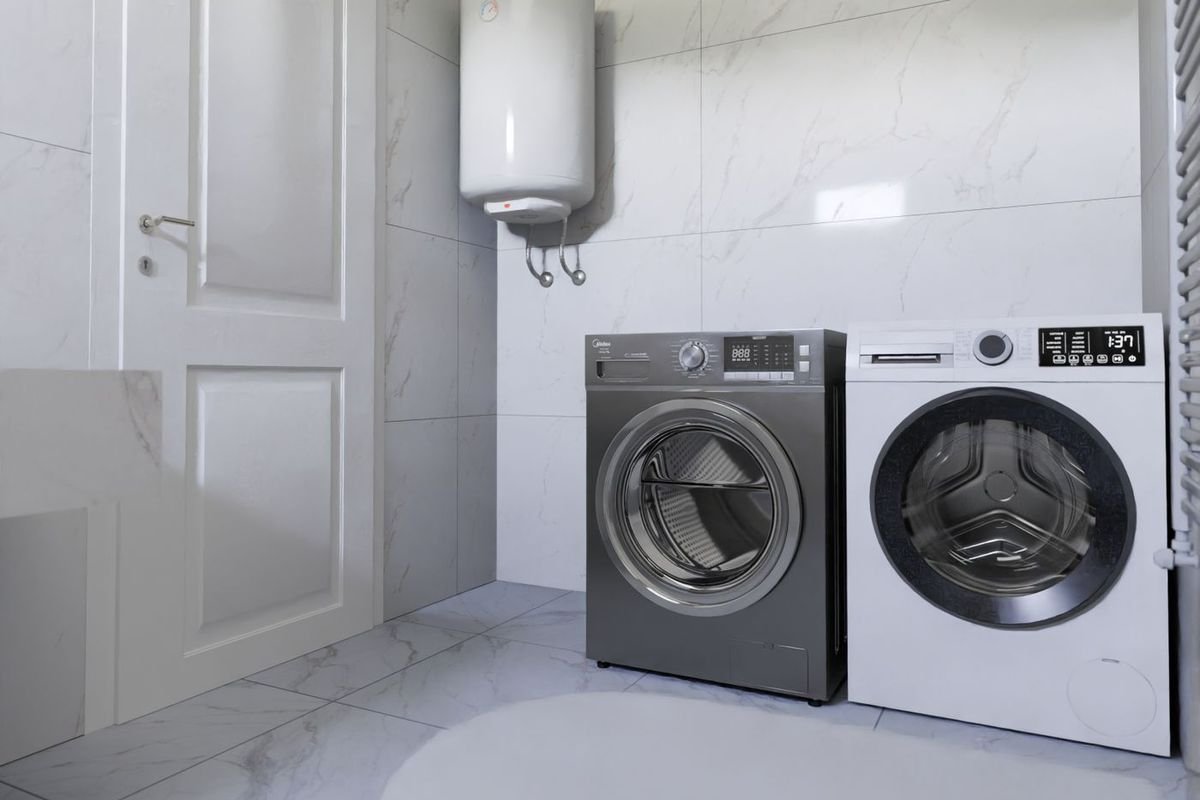
Size by square footage and humidity, not the giant “4,500 sq ft” banner. Manufacturers often quote very large coverage under mild conditions. For a damp unfinished basement, a 50-pint Energy Star (DOE 2019 / v5.0) unit is the usual sweet spot for medium-to-large U.S. basements. Very wet or leak-prone spaces may need a larger machine, a second unit, or water intrusion fixes first. Milder finished rooms may do fine with a 20–35 pint class unit like the Cube 20.
Energy Star pint ratings changed. Older “70-pint” marketing numbers are not the same as today’s Energy Star v5.0 ratings. Compare like-for-like current labels, and prefer Energy Star when you will run the unit for months.
Continuous drain beats bucket emptying. Gravity drain into a floor drain or sump is the lowest-maintenance setup. Use a pump model only when you must lift water to a sink or window. Empty tanks invite forgotten full-bucket shutoffs and moldy basements again.
Cold basements. Compressor dehumidifiers frost up when rooms get too cold. Look for auto-defrost and published low-temperature operating ranges (Frigidaire’s ~41°F class story is relevant). In winter, some basements need less dehumidification and more sealing/insulation.
Placement and airflow. Keep intake/exhaust clear (often 8+ inches from walls per manuals). Top-exhaust designs (Cube) tolerate tighter spots better. Close basement doors if you are targeting one zone; open them if humidity is migrating upstairs.
Safety and recalls. Before buying or after unboxing, search the model on CPSC.gov for recalls. Use a grounded outlet, avoid extension-cord abuse, and keep the unit away from standing water. A dehumidifier helps humidity—it does not fix active flooding.
Noise and living spaces. Finished basements and media rooms care about fan noise. Smaller Cubes and well-reviewed 50-pint units are usually acceptable on medium; never expect “silent.”
Whole-home context. Sealed ducts, a sane thermostat schedule, and upstairs air cleaning still matter. Cross-link your climate stack with our smart thermostat, apartment air purifier, and bedroom space heater guides when humidity is only one piece of the comfort puzzle. For a hot, sticky room without central air, a portable AC cools and pulls moisture at the same time—see our best portable air conditioners guide.
FAQ
What is the best dehumidifier for a basement in 2026?
For most damp basements with a floor drain (or willingness to empty a large tank), the Midea Cube 50-pint (MAD50S1QWT) is was the long-time default, but Wirecutter paused that recommendation in August 2026 over humidistat complaints. For now, start with the Frigidaire FHDD5034W1. No floor drain? Choose a pump model like the GoveeLife H7152.
What size dehumidifier do I need for a basement?
Match Energy Star pint capacity to basement size and how wet it feels. Many medium unfinished basements land on a 50-pint class unit. Smaller or finished spaces may only need a 20-pint Cube-class machine. Very large or chronically flooded basements need moisture source fixes plus possibly more than one unit.
Do I need a dehumidifier with a pump?
Only if condensate must travel uphill to a sink or out a window. If you have a floor drain or sump nearby, gravity drain on a Cube or Frigidaire is simpler and usually more reliable long-term.
Why do older “70-pint” models look bigger on paper?
Rating standards changed. Energy Star v5.0 / DOE 2019 pint numbers are not directly comparable to older AHAM-era marketing. Compare current Energy Star labels to current labels.
Can a dehumidifier replace fixing a leak?
No. It manages airborne moisture and condensation. Active water intrusion, grading problems, and failed waterproofing need physical repairs. Running a dehumidifier over a flood is a band-aid.
Verdict
Basement moisture is a capacity + drain + temperature problem. Start with Energy Star sizing, prefer continuous drain, and pick the feature you actually need:
- Midea Cube 50-Pint (MAD50S1QWT) — on hold until Midea resolves reported humidistat issues.
- Frigidaire FHDD5034W1 — best overall right now (smart, cooler-basement friendly).
- hOmeLabs HME1003 — best budget Energy Star pick (skip HME1004).
- Midea Cube 20-Pint (MAD20S1QWT) — on hold (same humidistat reports).
- GoveeLife H7152 — best built-in pump when you have no floor drain.
Before you buy, check current Amazon price, confirm the exact model number, verify Energy Star labeling, plan your drain path, and search CPSC for recalls. Keep humidity in a healthy band (often roughly mid-40s to mid-50s % RH for many homes—follow EPA/brand guidance for your climate) so the machine you paid for actually protects the space.
More buying guides on Home Upgrade Atlas
Browse all guides