
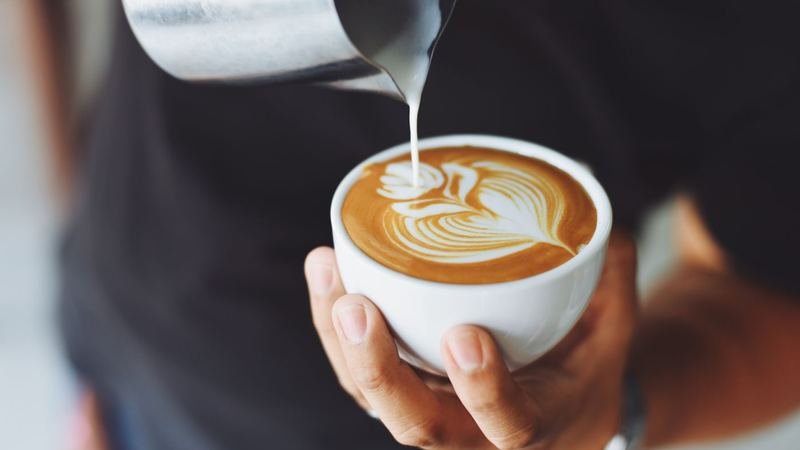
A good espresso machine for home turns weekday mornings into café drinks: a short espresso, a flat white, or a cappuccino with silky foam—without the drive-through line. The catch is that “best” depends on how you brew. Some people want a compact machine that heats in seconds and froths milk automatically. Others want a built-in grinder so everything lives in one footprint. Enthusiasts want PID temperature control and room to dial in lighter roasts. Fully guided machines grind, dose, and tamp for you when you would rather not babysit the puck.
This guide is a research roundup, not a hands-on lab test. We compared recent 2026 roundups from Wirecutter, Serious Eats, and WIRED, scanned Amazon best-seller lists for semi-automatic machines, and read recurring owner advice on Reddit’s r/espresso (especially Bambino Plus vs. Barista Express threads). Our five picks: the Breville Bambino Plus overall, the Breville Barista Express as the all-in-one with grinder, the Gaggia Classic Evo Pro as the budget classic, the Profitec Go for enthusiasts, and the Breville Oracle Jet when you want maximum automation. Always check current Amazon price—espresso machines move a lot around Prime events and the holidays.
Quick picks
*Street prices move constantly on Amazon and during sales. Always check current Amazon price before you buy, and confirm the exact model and color on the listing.
Compare at a glance
| Award | Model | Type | Grinder | Milk / steam | Approx. price* | Shop |
|---|---|---|---|---|---|---|
| Best overall | Breville Bambino Plus | Compact semi-auto | Separate grinder needed | Auto milk frothing + manual wand | ~$400–$550 | Check price on Amazon |
| Best all-in-one with grinder | Breville Barista Express | Semi-auto + grinder | Built-in conical burr | Manual steam wand | ~$500–$750 | Check price on Amazon |
| Best budget classic | Gaggia Classic Evo Pro | Classic semi-auto | Separate grinder needed | Manual steam wand | ~$400–$550 | Check price on Amazon |
| Best for enthusiasts | Profitec Go | Single-boiler PID | Separate grinder needed | Manual steam wand | ~$1,100–$1,300 | Check price on Amazon |
| Best automated / splurge | Breville Oracle Jet | Guided semi-auto | Built-in (auto dose + tamp) | Auto + manual frothing | ~$1,800–$2,200 | Check price on Amazon |
*Features are manufacturer-stated and can vary by color or bundle. Prices are approximate street ranges and change often—check current Amazon price and confirm the exact model on the listing.
How we chose
This guide is a research roundup for Home Upgrade Atlas—not a hands-on lab test. We prioritized machines that:
- Show up across independent 2026 guides (Wirecutter, Serious Eats, WIRED) and in active r/espresso buying threads, not one-off influencer lists.
- Match a clear home use case — compact beginner, all-in-one with grinder, classic budget, enthusiast PID, or guided automation.
- Are current, widely sold models we verified on Amazon best-seller / search listings for semi-automatic espresso machines (large visible review activity on the Breville picks).
- Can make milk drinks with a real steam wand (auto frothing is a plus for beginners, not required for enthusiasts).
- Leave room for a good grinder story — either a decent built-in, or a clear note that you should budget for a separate espresso-capable burr grinder.
We also skimmed common Google-style buyer questions (beginner vs. all-in-one, do you need a separate grinder, counter space, milk drinks) to shape the FAQ. A tidy kitchen helps too—if your counters are crowded, pair this guide with our under-sink organizers and pantry organizers picks so the machine and beans have a home.
Best overall: Breville Bambino Plus Espresso Machine
Who it’s for: Beginners and small kitchens that want café-style milk drinks fast, without a huge footprint—and who are willing to buy (or already own) a separate espresso grinder.
The Breville Bambino Plus is Serious Eats’ longtime top home espresso pick, and Wirecutter still calls it a solid machine after formerly ranking it at the top. It uses Breville’s ThermoJet heating so it reaches brew temperature in seconds, pulls single or double shots with programmable volumes, and includes an automatic steam wand with temperature and foam settings that make latte-style milk much easier than a manual-only wand. Reddit’s r/espresso threads comparing it to the Barista Express often favor the Bambino Plus when you plan to pair it with a better standalone grinder, citing faster warm-up, auto milk, and less counter clutter.
The trade-offs: there is no built-in grinder, so budget for an espresso-capable burr grinder (Wirecutter and WIRED both stress that pre-ground supermarket coffee fights you on espresso). The drip tray is small, and dialing in with a single-wall basket still takes practice. Expect roughly ~$400–$550—check current Amazon price, and confirm you are buying the Plus (not the plainer Bambino) if you want auto frothing.
Pros: Fast heat-up; compact; auto milk frothing; strong beginner reviews across guides.
Cons: Needs a separate grinder; small drip tray; less “one box” convenience than the Barista Express.
Bottom line: The best starting point for most home baristas who care about milk drinks and counter space.
Best all-in-one with grinder: Breville Barista Express Espresso Machine
Who it’s for: Households that want grind, dose, tamp, pull, and steam in one stainless footprint—especially if you do not want to shop for a separate grinder on day one.
The Breville Barista Express is still among Amazon’s top-selling semi-automatic espresso machines, and WIRED recommends it as the Goldilocks pick for people who want a built-in grinder without spending four figures. You grind into the portafilter, adjust dose and grind size, pull a shot with PID-assisted temperature control, and steam milk on a manual wand. It is the machine many first-time buyers recognize from Best Buy endcaps and holiday gift lists, and long-term WIRED staff use backs up the popularity.
The trade-offs: r/espresso regulars often warn that the built-in grinder is the weak link for lighter roasts and fine adjustments—many owners eventually add a better grinder and treat the Express as “just” the brewer. It also takes more counter depth than the Bambino. If you want assisted tamping, look at the related Barista Express Impress on the same Amazon search results. Expect roughly ~$500–$750 depending on sales—check current Amazon price.
Pros: True all-in-one; widely available; solid steam wand; lots of owner familiarity.
Cons: Built-in grinder limits finer dial-in; larger footprint; more manual milk than the Bambino Plus.
Bottom line: Buy this when one machine that grinds and brews beats chasing two boxes.
Best budget classic: Gaggia Classic Evo Pro Espresso Machine
Who it’s for: Coffee enthusiasts who want a commercial-style 58 mm portafilter workflow on a tighter budget and do not mind a steeper learning curve.
The Gaggia Classic Evo Pro (the updated Classic line Wirecutter lists as its budget pick) is a barebones single-boiler machine with simple brew and steam switches. Wirecutter and Business Insider both highlight it for surprisingly complex shots once you learn temperature management and replace the flimsy stock tamper. Serious Eats has long praised Classic Pro generations for enthusiast value: commercial-ish parts, a real steam wand, and room to grow into better baskets and accessories.
The trade-offs: there is no PID on the classic Evo Pro workflow Wirecutter describes, so back-to-back shot consistency takes practice; the steam wand is weaker and less flexible than Breville’s; and you still need a separate grinder plus a decent tamper. Expect roughly ~$400–$550—check current Amazon price, and confirm the listing says Classic Evo Pro (or the current Classic naming on Amazon) rather than older Carezza-style models.
Pros: Nuanced shots for the money; 58 mm ecosystem; simple, repairable layout.
Cons: Steeper learning curve; weaker steam; no built-in grinder or auto froth.
Bottom line: The classic “learn real espresso” machine when you want skill over screens.
Best for enthusiasts: Profitec Go Espresso Machine
Who it’s for: Home baristas who already (or soon will) own a good grinder and want PID temperature control, shot timing, and a machine that feels closer to a café group head.
Wirecutter’s 2026 guide names the Profitec Go its top pick after testing dozens of machines: balanced, consistent shots, a heavy chassis that does not slide when you lock in the portafilter, PID control, and a front display that doubles as a shot timer. Warm-up is measured in a few minutes rather than ThermoJet seconds, but brew-to-steam transition is short enough for morning milk drinks. It is the pick when you want capability without jumping to dual-boiler prices.
The trade-offs: it costs more than the Breville midrange options, the steam wand is not the strongest Wirecutter tested, and you still need a pitcher, a solid grinder, and counter space for a ~30 lb machine. Expect roughly ~$1,100–$1,300—check current Amazon price (specialty retailers also stock it; compare landed cost and return policies).
Pros: Wirecutter top pick; PID consistency; sturdy build; room to grow as a hobbyist.
Cons: Higher price; no built-in grinder; steam takes practice.
Bottom line: The enthusiast single-boiler that rewards better beans and a better grinder.
Best automated / splurge: Breville Oracle Jet Espresso Machine
Who it’s for: Households that want touchscreen guidance, automatic dosing and tamping, and strong milk programs—closer to a “countertop barista” than a hobby project.
The Breville Oracle Jet is Wirecutter’s upgrade/automation pick: it grinds, doses, and tamps for you, walks beginners through dial-in on a large screen, and froths dairy or common plant milks with automated programs. WIRED previously ranked it highly and still lists it as a powerful honorable mention after crowning newer competitors. Compared with the Barista Touch, Wirecutter notes a better grinder, a more standard 58 mm portafilter shape, and auto tamp that keeps the counter cleaner.
The trade-offs: it is expensive (Wirecutter cites about a $2,000 street context), and automation limits some manual dose play. If you love tinkering with every variable, the Profitec Go or a dual-boiler may feel more rewarding. Expect roughly ~$1,800–$2,200—check current Amazon price and confirm the Oracle Jet (not older Oracle Dual Boiler naming) on the listing.
Pros: Auto grind/dose/tamp; guided dial-in; excellent milk options; guest-friendly.
Cons: Premium price; less “hands-on” control; large footprint.
Bottom line: Pay the splurge when convenience and consistency matter more than hobby tinkering.
Buying guide: how to choose a home espresso machine
1. Semi-automatic vs. more automation. Semi-autos (all five picks here) still involve a portafilter. Guided machines like the Oracle Jet automate grind/tamp/milk. True super-automatics (bean-to-cup, no portafilter) are a different category—easier, usually less shot nuance.
2. Budget for the grinder. Espresso is grind-sensitive. If you buy a Bambino Plus, Gaggia, or Profitec Go, plan ~$200+ for an espresso-capable burr grinder. All-in-ones (Barista Express, Oracle Jet) include one; upgrade later if you outgrow it.
3. Milk drinks need a capable steam wand. Auto frothing (Bambino Plus, Oracle Jet) helps beginners. Manual wands on the Express, Gaggia, and Profitec Go can make latte art with practice.
4. Counter space and warm-up. The Bambino Plus is the compact speedster. The Barista Express and Oracle Jet need more depth. Classic boilers (Gaggia, Profitec) take longer to heat than ThermoJet Brevilles.
5. Maintenance. Expect regular backflushing (where supported), descaling based on water hardness, and wiping the steam wand after every drink. Hard water areas benefit from filtered water.
| If you… | Choose |
|---|---|
| Want the best compact starter with auto milk | Breville Bambino Plus |
| Want grind + brew in one machine | Breville Barista Express |
| Want classic 58 mm espresso on a budget | Gaggia Classic Evo Pro |
| Want PID enthusiast performance | Profitec Go |
| Want max guidance and auto tamp | Breville Oracle Jet |
Building out the rest of your countertop? Our best air fryers guide compares the Ninja Air Fryer Pro, Cosori TurboBlaze, a two-basket Ninja DualZone and the Breville Smart Oven Air Fryer Pro, plus the latest CPSC air fryer oven warning.
Pairing your espresso with homemade pastries? See our best stand mixers guide for picks from a ~$100–$150 budget mixer to the KitchenAid Artisan and a bread-baker’s Ankarsrum.
Want a full pot for the whole house instead of one shot at a time? Our best drip coffee makers guide compares the Moccamaster KBT, Bonavita Enthusiast, OXO Brew 9-Cup and budget picks from Braun and Ninja.
FAQ
What is the best espresso machine for home in 2026?
For most beginners who will make lattes and cappuccinos, we pick the Breville Bambino Plus (plus a separate grinder). If you want everything in one box, start with the Breville Barista Express. Enthusiasts should look at the Profitec Go; Wirecutter’s 2026 testing ranks it first overall.
Do I need a separate coffee grinder?
Yes for the Bambino Plus, Gaggia Classic Evo Pro, and Profitec Go. The Barista Express and Oracle Jet include grinders. Blade grinders and pre-ground supermarket coffee rarely work well for espresso.
Bambino Plus or Barista Express?
Choose the Bambino Plus for speed, auto milk, and a smaller footprint when you will buy a better grinder. Choose the Barista Express when you want one appliance that grinds and brews on day one. That split shows up constantly in r/espresso advice threads.
Are cheap under-$200 espresso machines worth it?
Entry models can make passable milk drinks with pressurized baskets, but independent guides usually steer serious espresso toward the Bambino / Gaggia tier and up. If your budget is tight, save for a proper semi-auto rather than stacking failed upgrades.
How much counter space do I need?
Measure depth as well as width. Compact machines like the Bambino Plus fit tight kitchens; all-in-ones with hoppers need clearance under cabinets for bean loading. Clearing under-sink and pantry clutter (see our under-sink and pantry guides) often frees the spot you need.
Verdict
The best espresso machine for home matches how hands-on you want to be and whether you already own a grinder. Match those, then check current Amazon price:
- Breville Bambino Plus — best overall compact starter with auto milk.
- Breville Barista Express — best all-in-one with a built-in grinder.
- Gaggia Classic Evo Pro — best budget classic for learners.
- Profitec Go — best enthusiast single-boiler (Wirecutter’s top pick).
- Breville Oracle Jet — best automated / splurge guided machine.
Before you buy, decide milk vs. straight espresso, measure your counter, and budget for beans and (if needed) a real espresso grinder.
More buying guides on Home Upgrade Atlas
Browse all guidesRelated buying guides
Photo credits: Hero — Chevanon Photography / Pexels (free Pexels License).