
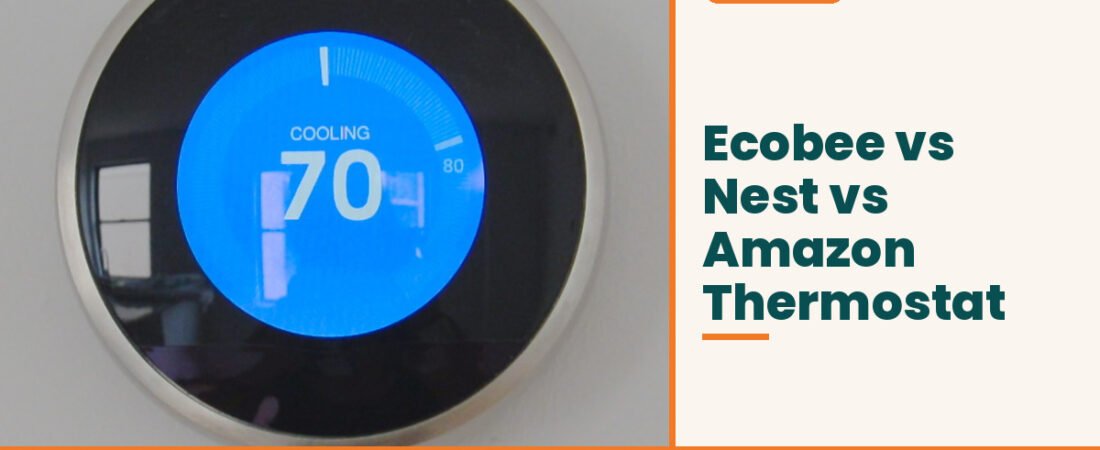

Shopping for a smart thermostat usually comes down to three brands: ecobee, Google Nest and Amazon. They all handle schedules, remote control from your phone and energy-saving away modes. Where they really differ is wiring (do you need a C-wire?), which voice assistant and app they work with, whether they support room sensors, and price, which runs from well under $100 to nearly $280. This head-to-head compares the six current models from the three brands so you can pick the right one for your home.
This guide is a research comparison, not a hands-on test. We did not install or test these thermostats ourselves. On November 17, 2026 we checked each maker’s product, spec and support pages, Google’s security-update list, current top results for this search, and CPSC recall data (details in How we picked). Want a broader roundup? See our best smart thermostats guide. No C-wire at all? Our smart thermostats without a C-wire guide covers adapters and more brands.
The short answer: ecobee vs Nest vs Amazon
- Pick ecobee if you have rooms that run hot or cold, use Apple Home, or want to keep your options open with Alexa, Google and SmartThings. The Premium and Enhanced include a C-wire kit.
- Pick Nest if you live in Google Home or don’t want to touch the furnace. Google says Nest thermostats usually work without a C wire. The Learning (4th gen) learns your schedule; the cheaper Nest Thermostat doesn’t.
- Pick Amazon if you only use Alexa, already have a C-wire, and want the lowest price.
Quick picks
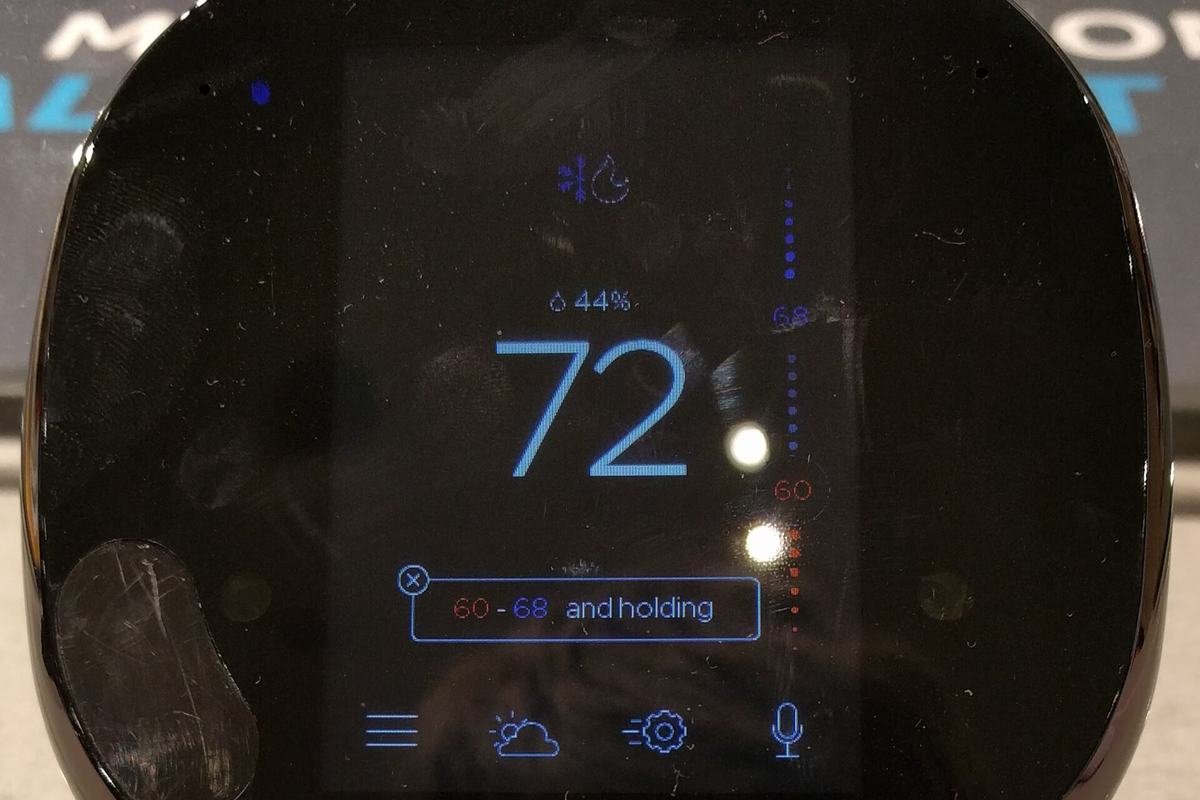
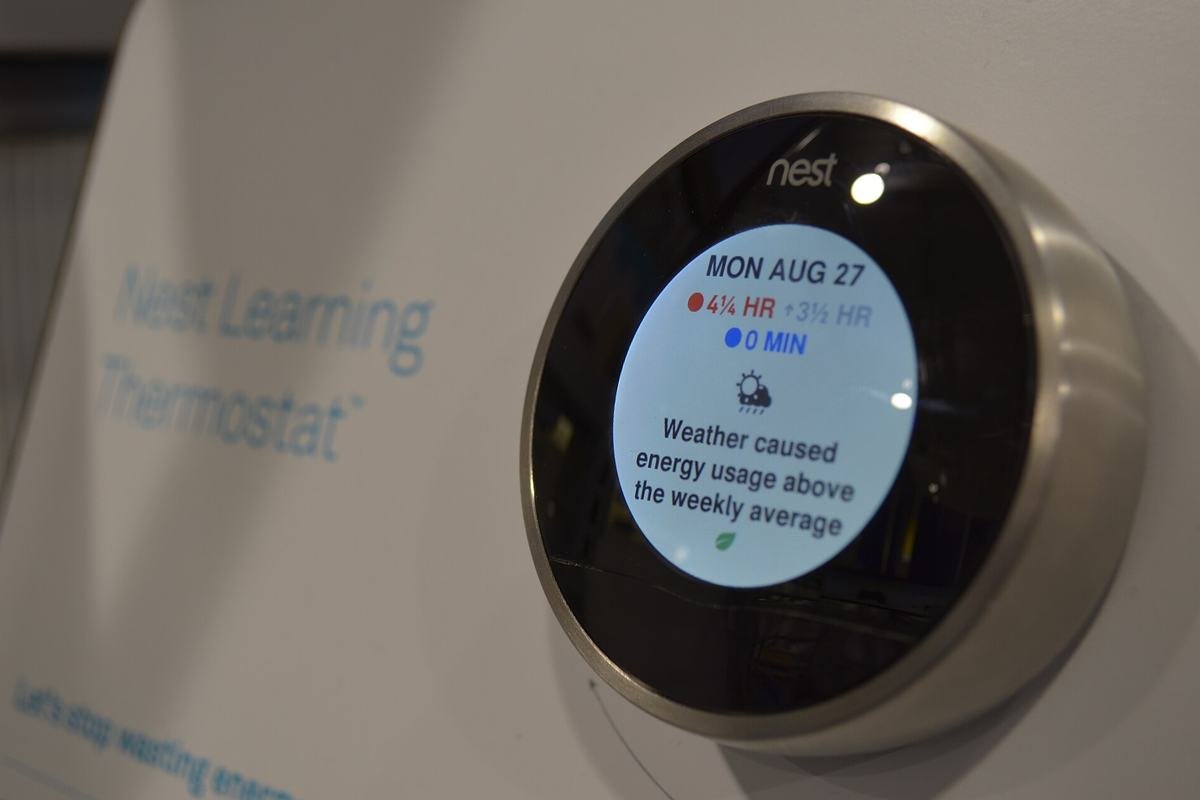
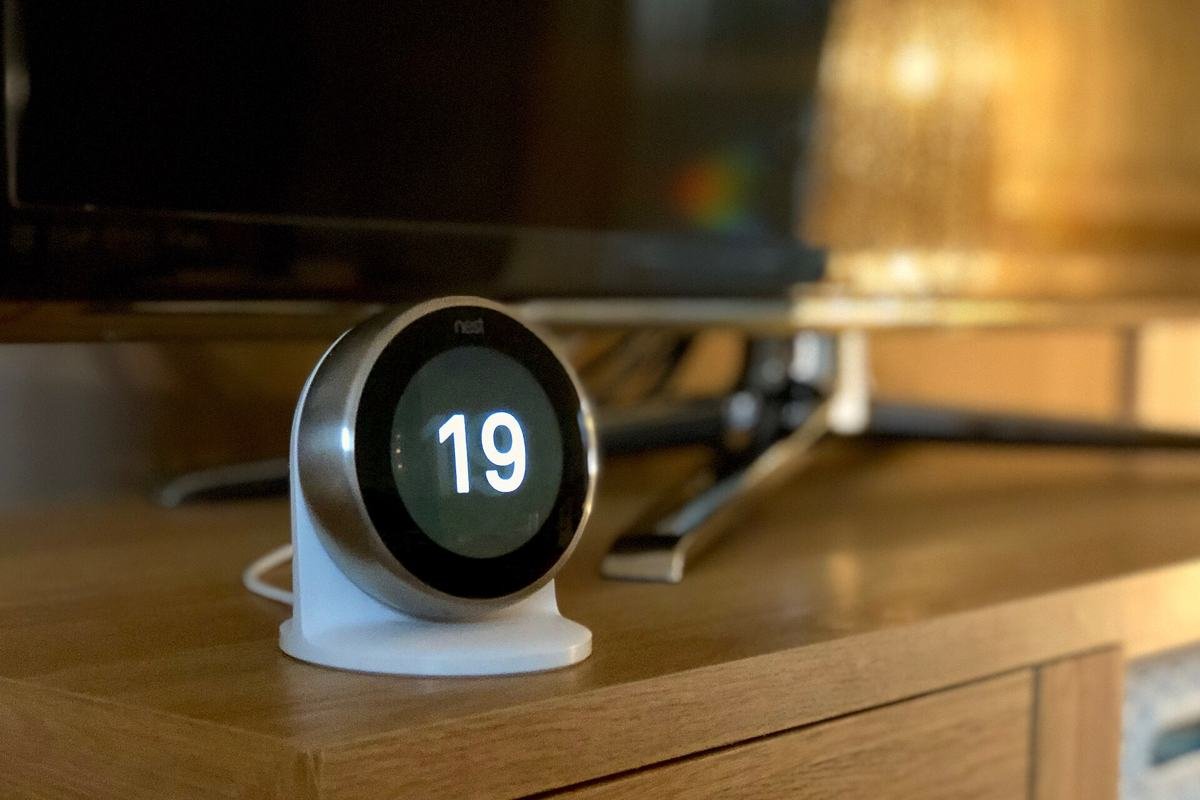

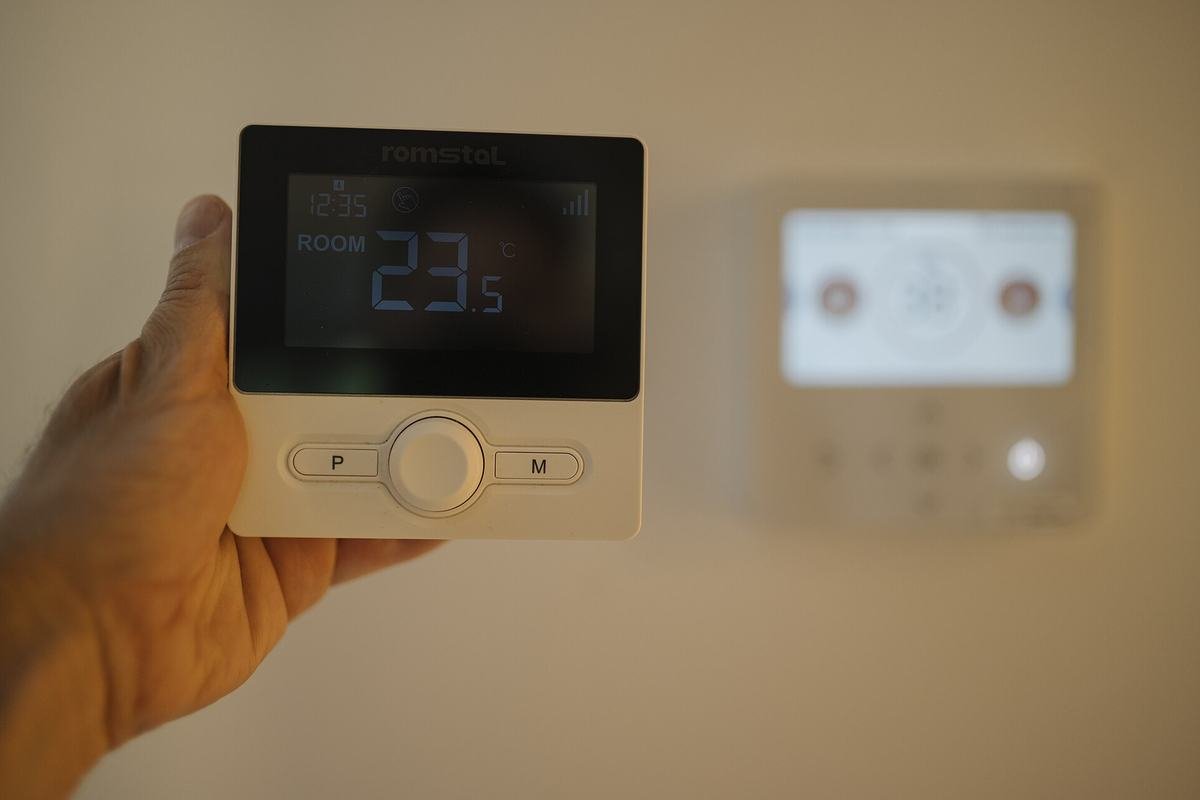
Ecobee vs Nest vs Amazon Smart Thermostat: comparison table
| Model | Needs a C-wire? | Works with | Room sensors | Smarts | Warranty | Approx. price* | Shop |
|---|---|---|---|---|---|---|---|
| ecobee Premium Best overall |
No: Power Extender Kit included (needs 4+ wires) | Apple Home, Alexa (built in), Google Assistant, SmartThings | 1 SmartSensor included (temperature + occupancy) | Radar occupancy, air-quality monitor, Siri/Alexa built in | 3 years | ~$220–$260 | Check price on Amazon |
| Nest Learning (4th gen) Best for Google homes |
Usually no: Power Sharing (under 1% need a C wire or Power Connector, per Google) | Google Home; Apple Home and Alexa via Matter | 1 Nest Temperature Sensor (2nd gen) included (temperature only) | Learns your schedule; Soli motion sensing | 2 years | ~$230–$280 | Check price on Amazon |
| ecobee Enhanced Best ecobee value |
No: Power Extender Kit included (needs 4+ wires) | Apple Home, Alexa, Google Assistant, SmartThings | None included; works with ecobee SmartSensors | Radar occupancy sensing | 3 years | ~$170–$200 | Check price on Amazon |
| Nest Thermostat Best budget pick without a C-wire |
Usually no; heat-only, cool-only and zoned systems may need a C wire or accessory | Google Home; Matter; Hey Google and Alexa voice | No remote sensor support | Motion sensing; Quick Schedule (does not learn) | 1 year | ~$100–$130 | Check price on Amazon |
| ecobee Essential Best budget pick for Apple Home |
Yes, or add the Power Extender Kit (~$25, sold separately) | Apple Home, Alexa, Google Assistant | None included; works with ecobee SmartSensors | Scheduling; occupancy features need a SmartSensor | 3 years | ~$110–$140 | Check price on Amazon |
| Amazon Smart Thermostat Cheapest for Alexa homes |
Yes, C-wire required (or a C-wire adapter at the furnace) | Alexa only (Alexa app) | No remote sensors | Alexa automatic control (sleep and away); 2.4 GHz Wi-Fi only | Not verified | ~$55–$80 | Check price on Amazon |
*Details come from each maker’s product, spec and help pages, checked November 17, 2026. “Not verified” means we couldn’t confirm it on the maker’s own pages. Prices are approximate ranges based on list prices and swing a lot around Black Friday. Check the current Amazon price.
Round by round: how the three brands compare
1. Wiring and the C-wire
Winner: Nest. Google says both Nest models are designed to work without a C wire in most homes, using Power Sharing. ecobee takes the opposite approach: every ecobee runs on steady hardwired power, and the Premium and Enhanced include a Power Extender Kit that creates a C connection at the furnace (you need at least four wires). The ecobee Essential needs a C-wire or the kit, sold separately. The Amazon Smart Thermostat always needs a C-wire or an adapter. Power sharing isn’t perfect, though; our no-C-wire guide covers the symptoms to watch for.
2. Ecosystem: Alexa, Google Home or Apple Home
Winner: ecobee. ecobee lists Apple Home, Amazon Alexa, Google Assistant and Samsung SmartThings support, and the Premium has Alexa and Siri built in. Both Nest thermostats are Matter certified, so they work in Google Home and other Matter platforms, but setup and full features live in the Google Home app. The Amazon Smart Thermostat is Alexa only.
3. Room sensors and occupancy
Winner: ecobee. The Premium includes a SmartSensor that reports temperature and occupancy, and all three ecobee models work with extra SmartSensors. The Nest Learning (4th gen) includes a temperature-only sensor and supports up to six; the Nest Thermostat doesn’t support sensors at all. Amazon’s thermostat has no remote sensors.
4. Automation and learning
Winner: Nest Learning (4th gen). It’s the only one here that learns your schedule on its own. ecobee’s eco+ adjusts for occupancy, humidity and time-of-use rates, and its Schedule Assistant suggests changes. The Nest Thermostat uses a schedule you set. Amazon relies on Alexa automatic control to set sleep and away temperatures.
5. Subscriptions and long-term support
Tie: ecobee and Nest Learning. None of the three brands lists a subscription for heating, cooling or scheduling. ecobee charges for its optional Smart Security service (plans starting around $5 a month, per ecobee), which adds security-hub features. Google publishes minimum security-update dates: August 2029 for the Nest Learning (4th gen), but the Nest Thermostat’s guarantee ended October 30, 2025. ecobee’s 3-year warranty is the longest here; Nest gives 2 years on the Learning and 1 year on the Nest Thermostat.
6. Price
Winner: Amazon. At roughly $55–$80 it’s about half the price of the Nest Thermostat, but add a C-wire adapter if you need one. The Nest Thermostat (~$100–$130) and ecobee Essential (~$110–$140) sit in the middle, and the Premium and Nest Learning top out near $260–$280.
Best overall: ecobee Smart Thermostat Premium
Who it’s for: Homes with rooms that run hot or cold, Apple Home households, and anyone who wants one thermostat to do the most.
In an ecobee vs Nest matchup, the Premium wins on sensors and ecosystem reach. ecobee’s product page says it comes with a SmartSensor that detects which rooms are occupied and adjusts the temperature for them, plus built-in air-quality monitoring with alerts, Siri (with a HomePod or HomePod mini as the Apple home hub) and Alexa built in. It works with Apple Home, Alexa, Google Assistant and SmartThings, so it doesn’t matter much which assistant you use.
The Power Extender Kit is in the box, so homes without a C-wire can usually still install it, as long as you have at least four wires and can reach the furnace control board. ecobee says the Premium works with over 95% of HVAC systems and backs it with a 3-year limited warranty. One thing to know: some extras, like smoke-alarm sound detection and using the thermostat as a security hub, need a paid ecobee Smart Security subscription. Heating, cooling, scheduling and eco+ savings features do not. ecobee lists it at $259.99. Expect ~$220–$260. Check the current Amazon price.
Pros: Room sensor included; works with every major assistant; C-wire kit in the box; 3-year warranty.
Cons: Priciest ecobee; installing the kit means opening the furnace; security features cost extra per month.
Bottom line: The best all-around pick in the ecobee vs Nest vs Amazon comparison, especially if you have uneven rooms or use Apple Home.
Best for Google homes: Google Nest Learning Thermostat (4th gen)
Who it’s for: Google Home households that want a thermostat that learns, and anyone who would rather not open the furnace.
The Nest Learning Thermostat (4th gen) is the “set it and forget it” option. Google’s spec page lists a 2.7-inch display, a Soli sensor for motion sensing, a built-in rechargeable battery, and 2.4 or 5 GHz Wi-Fi. A Nest Temperature Sensor (2nd gen) is in the box. Google’s help pages say you can connect up to six sensors, but the thermostat uses one sensor at a time to control the system (you choose which, and when). ecobee’s SmartSensors also report occupancy; Nest’s sensor reports temperature only.
Power is where Nest shines. Google says the 4th gen is designed to work whether or not your home has a C wire, and only in limited cases (under 1%) do you need a C wire or the Nest Power Connector. It works with Google Home and Matter, so Apple Home and Alexa users can control it through Matter, but setup requires the Google Home app. Google guarantees security updates until at least August 2029 and gives it a 2-year retail warranty. Google lists it at $279.99. Expect ~$230–$280. Check the current Amazon price.
Pros: Learns your schedule; usually no C-wire work; sensor included; trim plate and steel plate in the box.
Cons: Most expensive pick; sensor reads temperature only; setup is tied to the Google Home app.
Bottom line: The Nest to buy if you live in Google Home and want the thermostat to figure out your schedule for you.
Best ecobee value: ecobee Smart Thermostat Enhanced
Who it’s for: People who like ecobee’s app and broad assistant support but don’t need a room sensor or air-quality monitor on day one.
The Smart Thermostat Enhanced keeps the important parts of the Premium. ecobee’s page lists the same Power Extender Kit in the box, radar occupancy sensing that turns the heat or AC down when the house is empty, and support for ecobee SmartSensors sold separately. It controls most 24VAC equipment, including furnaces and air conditioners (2H/2C), heat pumps (2H/2C plus one stage of aux heat) and boilers, and supports one-wire accessories such as a humidifier.
Against the Nest Thermostat, the Enhanced costs more but gives you occupancy sensing, room-sensor support, native Apple Home support and a 3-year warranty instead of one year. Against the Nest Learning, it’s cheaper but doesn’t learn your schedule the same way; ecobee’s Schedule Assistant recommends changes instead. ecobee lists it at $199.99. Expect ~$170–$200. Check the current Amazon price.
Pros: C-wire kit included; radar occupancy sensing; works with Apple Home, Alexa, Google and SmartThings; 3-year warranty.
Cons: No room sensor in the box; no air-quality monitor or built-in speaker; kit install means opening the furnace.
Bottom line: The sweet spot in the ecobee lineup for most homes.
Best budget pick without a C-wire: Google Nest Thermostat
Who it’s for: Homes with a regular furnace and central AC that want a cheap smart thermostat without adding a C-wire.
In the Nest vs Amazon Smart Thermostat matchup, wiring decides it. Google’s Nest Thermostat spec page says it is designed to work without a C wire, though heating-only or cooling-only systems and zone controllers may need a C wire or another power accessory. It works with conventional systems with one stage of heating and cooling (plus a second stage of either) and heat pumps with aux or emergency heat. It’s Matter certified and works with Hey Google and Alexa voice control, and it connects on 2.4 or 5 GHz Wi-Fi.
The trade-offs: it doesn’t learn your schedule (you set it with Quick Schedule in the Google Home app), it isn’t compatible with Nest Temperature Sensors, the trim plate is sold separately, and the warranty is one year. Google’s security-update page also shows its guaranteed minimum for security updates ended October 30, 2025, and lists it as no longer guaranteed, so treat it as a value buy rather than a long-term platform. Google lists it at $129.99. Expect ~$100–$130. Check the current Amazon price.
Pros: Usually no C-wire needed; Matter support; 5 GHz Wi-Fi; low price.
Cons: No room sensors; no learning; trim plate extra; security-update guarantee has already passed.
Bottom line: The cheapest way to skip C-wire work, as long as you don’t need room sensors.
Best budget pick for Apple Home: ecobee Smart Thermostat Essential
Who it’s for: Apple Home users and anyone who already has a C-wire and wants ecobee’s app for less.
ecobee’s Essential product page lists it at $139.99 with a color touchscreen, scheduling, the ecobee app, and pairing with Apple HomeKit, Google Assistant and Alexa. It’s ENERGY STAR certified and covered by ecobee’s 3-year warranty. Unlike the Premium and Enhanced, the Power Extender Kit is sold separately ($24.99 on ecobee’s site), and ecobee says the occupancy-based eco+ features need an add-on SmartSensor on the Essential.
So the math depends on your wiring. If you already have a C-wire, the Essential is the cheapest ecobee and the cheapest pick here with native Apple Home support. If you don’t, adding the kit brings it close to the Enhanced, which includes the kit and occupancy sensing. Expect ~$110–$140 (plus ~$25 if you need the kit). Check the current Amazon price.
Pros: Lowest-priced ecobee; Apple Home, Alexa and Google; supports SmartSensors; 3-year warranty.
Cons: C-wire or separate kit required; no built-in occupancy sensing; trim kit sold separately.
Bottom line: Great value if you have a C-wire; otherwise step up to the Enhanced.
Cheapest for Alexa homes: Amazon Smart Thermostat
Who it’s for: Alexa-only homes with a C-wire that want the cheapest name-brand smart thermostat.
The Amazon Smart Thermostat is set up with guided instructions in the Alexa app. Amazon’s help page on Alexa automatic control says Alexa can set a sleep or away temperature for you when she detects you’re asleep or out of the house. There are no remote room sensors, and it works with Alexa, not Google Home or Apple Home.
Check two things before you buy. First, Amazon’s compatibility help says it only works with a C wire; if you don’t have one, you need a C-wire adapter installed at the furnace or air handler. It also says it doesn’t work with dual-fuel heat pumps (a heat pump with a backup gas or oil furnace), and its heat-pump support is limited to air-to-air and geothermal units. Second, it needs 2.4 GHz Wi-Fi; Amazon says 5 GHz-only networks won’t work. Amazon has listed it at $79.99, and a retailer price check on November 14, 2026 showed it lower during early Black Friday sales. Expect ~$55–$80. Check the current Amazon price.
Pros: Lowest price; simple Alexa setup; Alexa automatic control for sleep and away.
Cons: Requires a C-wire or adapter; Alexa only; no room sensors; 2.4 GHz Wi-Fi only; no dual-fuel support.
Bottom line: Hard to beat on price in an Alexa home that already has a C-wire. Everyone else should look at the Nest Thermostat or an ecobee.
Buying guide: how to choose between ecobee, Nest and Amazon
Step 1: Check your wiring first
- Turn off power to the heating and cooling system at the breaker or system switch, then pull the thermostat off its base.
- Look for a wire in the C terminal. If there is one, every pick here works on the power side. If not, Nest is the easiest path; ecobee Premium or Enhanced work if you have four or more wires and can reach the furnace; Amazon and the ecobee Essential need an adapter.
- Look for warning signs of line voltage: thick wires joined with wire nuts or labels like 120V or 240V. Amazon’s installation help says those systems won’t work, and none of these thermostats are made for them.
- Run the maker’s compatibility checker with your terminal labels (not wire colors). ecobee, Google and Amazon all have one.
Step 2: Match your smart home
- Alexa: all six work with Alexa (the Nest models through Matter or Alexa voice support). Amazon’s is the most Alexa-native; the ecobee Premium has Alexa built in.
- Google Home: Nest is the native choice. ecobee works with Google Assistant. Amazon’s doesn’t.
- Apple Home: ecobee has native support. Nest works through Matter. Amazon’s doesn’t.
Step 3: Decide if you need room sensors
If one bedroom is always colder than the thermostat’s hallway, a remote sensor matters more than any other feature. ecobee’s SmartSensors also detect occupancy; the Nest Temperature Sensor reads temperature only and works with the Learning (4th gen), not the Nest Thermostat. For the one room no thermostat can fix, a bedroom space heater is the cheaper fix.
Step 4: Count the real cost
- Adapters: add ~$25 for the ecobee Power Extender Kit on the Essential, or a C-wire adapter for the Amazon Smart Thermostat if you don’t have a C-wire.
- Trim plates: the Nest Thermostat’s trim plate and the ecobee Essential’s trim kit are sold separately; the Nest Learning, ecobee Enhanced and Amazon include one, per their makers.
- Extra sensors: Google lists the Nest Temperature Sensor (2nd gen) from $39.99; ecobee sells SmartSensors separately.
- Rebates: Google and ecobee both point to utility rebates on their product pages. Check your energy provider before you buy.
Safety and recalls
- Power off first. Amazon’s installation and C-wire adapter instructions say to switch off HVAC power at the breaker or system switch before you start, and to call a pro if you aren’t comfortable with the wiring or the adapter.
- Recalls. On November 17, 2026 we searched CPSC’s saferproducts.gov recall database for “thermostat,” “ecobee,” “Nest” and “Amazon Smart Thermostat.” We found no recalls for any of the models in this guide. The thermostat recalls on file were older White-Rodgers, Honeywell and other models not covered here. Check cpsc.gov/Recalls for updates.
Also considered
- ecobee Smart Thermostat Lite: ecobee says it’s available only through HVAC installers, so it isn’t a DIY Amazon buy.
- Older Nest Learning Thermostats (1st and 2nd gen): Google ended app support on October 25, 2025, so skip used or open-box units of those generations.
- Sensi and Honeywell Home: good alternatives outside these three brands; see our no-C-wire guide for Sensi picks.
FAQ
Is ecobee better than Nest?
For most homes with uneven rooms, yes: ecobee’s sensors report occupancy as well as temperature, and it works natively with Apple Home, Alexa, Google Assistant and SmartThings. Nest is better if you live in Google Home, want a thermostat that learns your schedule, or don’t want to add a C-wire.
Is the Amazon Smart Thermostat as good as Nest?
It covers the basics (schedules, remote control and automatic sleep and away temperatures in Alexa) for much less. But it requires a C-wire or adapter, works only with Alexa, needs 2.4 GHz Wi-Fi and has no room sensors. The Nest Thermostat usually needs no C-wire and works with more platforms through Matter.
Which smart thermostat works without a C-wire?
Google says both Nest models are designed to work without one in most homes. The ecobee Premium and Enhanced include a Power Extender Kit for homes without one. The ecobee Essential and the Amazon Smart Thermostat need a C-wire or an adapter. More options are in our no-C-wire guide.
Do ecobee, Nest or Amazon thermostats need a subscription?
Not for heating, cooling, schedules or remote control, based on the makers’ pages we checked. ecobee’s optional Smart Security subscription adds home-security features. Google’s Google Home Premium subscription is marketed for camera history and Gemini features, not thermostat basics.
Which is best for Apple HomeKit?
ecobee, which supports Apple Home natively; the Premium can also act as a Siri speaker with a HomePod or HomePod mini as your home hub. Nest thermostats can join Apple Home through Matter. The Amazon Smart Thermostat doesn’t support Apple Home.
Which works with Alexa?
All six picks can be controlled with Alexa. The Amazon Smart Thermostat is set up in the Alexa app, and the ecobee Premium has Alexa built in. The Nest models work with Alexa voice control and Matter.
Is the Nest Thermostat still supported?
Yes, Google still sells it and it works in the Google Home app. But Google’s security-update page shows its guaranteed minimum ran to October 30, 2025, while the Nest Learning (4th gen) is guaranteed updates until at least August 20, 2029.
Do these work with heat pumps?
Most do. ecobee lists heat pump support, Google says both Nest models work with heat pumps (the Nest Thermostat with one stage of heating and cooling plus aux or emergency heat), and Amazon says its thermostat works with air-to-air and geothermal heat pumps but not dual-fuel systems. Run each maker’s compatibility checker.
How we picked
We checked these sources on November 17, 2026:
- Search demand: “ecobee vs nest vs amazon smart thermostat” showed up in our own Google Search Console data, which is why we wrote this comparison. Google autocomplete also suggested related comparisons such as “ecobee vs nest 4th gen,” “amazon smart thermostat vs ecobee essential” and “is ecobee better than nest.”
- Current top results for this search: comparisons from Plugged In Homes and Eco Home Intelligence and Good Housekeeping’s smart thermostat roundup. We used them to see which models others compare, then verified every spec on the maker’s own pages.
- Maker pages: ecobee’s thermostat lineup, Premium, Enhanced, Essential and Smart Thermostat Lite pages; Google Store pages for the Nest Learning (4th gen) specs, Nest Thermostat and its specs, the Nest Temperature Sensor (2nd gen) and the Google Nest lineup; Google help pages on Nest Temperature Sensors, end of support for 1st and 2nd gen Nest Learning Thermostats, and security-update dates; and Amazon help pages on Amazon Smart Thermostat compatibility, installation, C-wire adapters, safety and Alexa automatic control.
- Community: a Reddit r/Nest thread from a buyer choosing between the Nest 4th gen and ecobee Premium (original post only).
- Safety: the CPSC / saferproducts.gov Recall API for “thermostat,” “ecobee,” “Nest,” “Amazon Smart Thermostat” and “Honeywell.”
We kept every thermostat the three brands currently sell to consumers in the US, then compared them on the things that actually change the decision: C-wire needs, ecosystem support, room sensors, automation, subscriptions and long-term support, and price. We did not use star ratings or review counts.
Verdict
In the ecobee vs Nest vs Amazon Smart Thermostat matchup, there’s a clear pick for each kind of home. Check the current Amazon price:
- ecobee Smart Thermostat Premium: best overall (room sensor, every assistant, C-wire kit included).
- Google Nest Learning Thermostat (4th gen): best for Google homes and learning schedules.
- ecobee Smart Thermostat Enhanced: best ecobee value.
- Google Nest Thermostat: best budget pick without a C-wire.
- ecobee Smart Thermostat Essential: best budget pick for Apple Home (with a C-wire).
- Amazon Smart Thermostat: cheapest for Alexa homes with a C-wire.
More buying guides on Home Upgrade Atlas
Browse all guidesRelated buying guides
- Best Smart Thermostats (2026) (our broader roundup and top picks)
- Best Smart Thermostat Without a C-Wire (2026) (8 picks plus adapter options)
- Best Smart Plugs for Beginners (2026) (Alexa, Google and Matter basics)
- Best Smart Locks for Renters and Front Doors (2026) (more smart home upgrades)
- Best Space Heaters for Bedroom (2026) (for the room the furnace doesn’t reach)
- Best Humidifiers for Bedroom (2026) (for dry air in heating season)
Photo credits: Robert Basic (CC BY-SA 2.0); Daylen (CC BY 4.0); Raysonho (CC0); George Lane (CC BY 2.0); Shixart1985 (1, 2, 3; CC BY 2.0); social card photo by Amanitamano (CC BY-SA 3.0); and Jakub Zerdzicki (1, 2; Pexels License). Licenses: CC BY 2.0, CC BY-SA 2.0, CC BY-SA 3.0, CC BY 4.0. All product photos are representative, not the exact products listed.
As an Amazon Associate we earn from qualifying purchases. Product names and trademarks belong to their owners. Availability and prices change.